Thinking about moving to West Lafayette to be near Purdue, or just curious what daily life looks like? You will feel the college-town energy right away, from busy fall weekends to lively weeknights around campus. At the same time, you can find quiet pockets, easy commutes, and plenty of parks and trails. This guide walks you through what to expect with transportation, food and parks, housing patterns, and practical tips so you can decide if living near Purdue fits your lifestyle. Let’s dive in.
West Lafayette at a glance
Purdue University shapes almost everything here. During the academic year, you will see higher foot traffic, full restaurants, and more active streets near campus. In summer and school breaks, things calm down and parking gets easier.
Neighborhoods close to campus blend long-term residents with student rentals. Some streets are busy during the school year while others stay steady year-round. If you want a quieter feel, you can look a few blocks beyond the highest student-density areas.
The local economy revolves around the university, with healthcare, education, and some tech and manufacturing in the broader area. That mix supports steady housing demand tied to hiring cycles and enrollment.
Getting around
Walkable near campus
If you live close to Purdue, many daily errands can be done on foot. The State Street and Chauncey Hill areas are compact and pedestrian friendly. Farther out, you will likely pair walking with a short drive or transit ride.
CityBus and campus transportation
Greater Lafayette’s CityBus connects West Lafayette, Purdue’s campus, and parts of Lafayette. Purdue also supports campus transportation and parking resources that change with the academic calendar. Check official CityBus and university transportation pages for current routes, schedules, and policies before you rely on a specific commute plan.
Driving and highway access
Commutes inside West Lafayette are usually short. Expect slower travel and tighter parking during football, basketball, homecoming, and commencement. Regional trips are straightforward with access to major U.S. routes and interstates linking to Indianapolis and beyond.
Biking and trails
You will find bike lanes and multi-use trails that connect parts of the city and the Wabash River corridor. Many residents bike to campus, parks, and nearby shops. Always review the latest city or parks maps to choose the safest routes.
Airports and regional travel
Purdue University Airport supports general aviation and charter activity. For most commercial flights, Indianapolis International Airport is the go-to option, reachable by car or shuttle.
Daily life: food, parks, and culture
Dining and nightlife
Near Purdue you will have a wide range of places to eat. You will find quick-service spots, pizza shops, casual bars, local cafés, and sit-down restaurants. The busiest clusters are along State Street, Chauncey Hill and Third Street, and the nearby downtown corridor. Evening activity often follows athletic events, lectures, and student programs.
Shopping and services
You can mix local retailers with national chains near the university and along major corridors. For big-box stores, many residents take a short drive to shopping areas at the city’s edges or across the river in Lafayette.
Parks, trails, and recreation
West Lafayette offers parks, riverfront paths, and recreational facilities for walking, biking, and family time. Purdue hosts athletic and recreation facilities that support public events and programs as well. Schedules and amenities change seasonally, so check city and Purdue recreation pages for the latest.
Community rhythms
Game days bring energy, visitors, and traffic. Homecoming, graduation, and major lectures can fill hotels and restaurants. Outside those peaks, you can count on farmers markets, local festivals, and city-organized events that highlight the community feel.
Housing and neighborhoods
What you will find
- Student rentals: Multi-bedroom homes, duplexes, and purpose-built apartments cluster close to campus and along student corridors.
- Apartments and condos: Smaller buildings and newer complexes serve students and young professionals along State Street and other arterials.
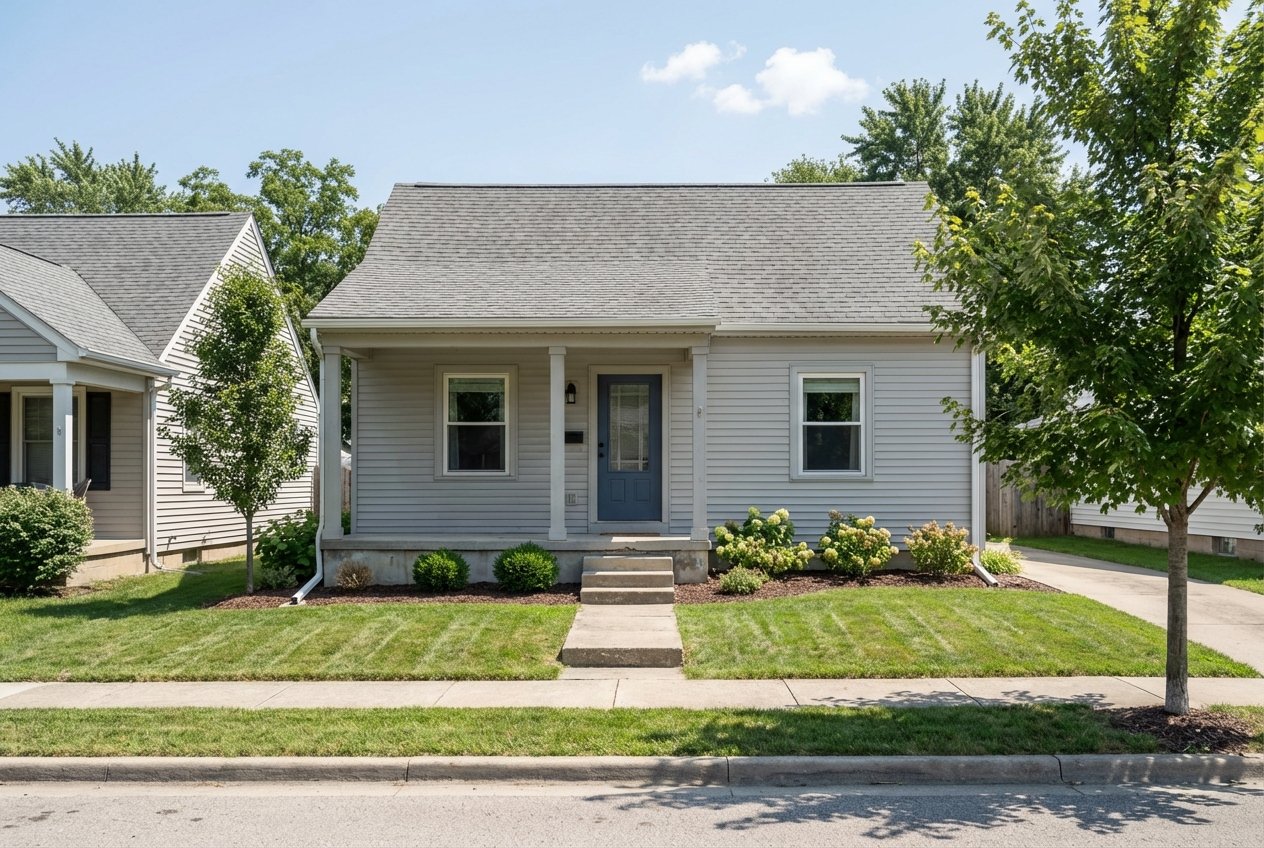
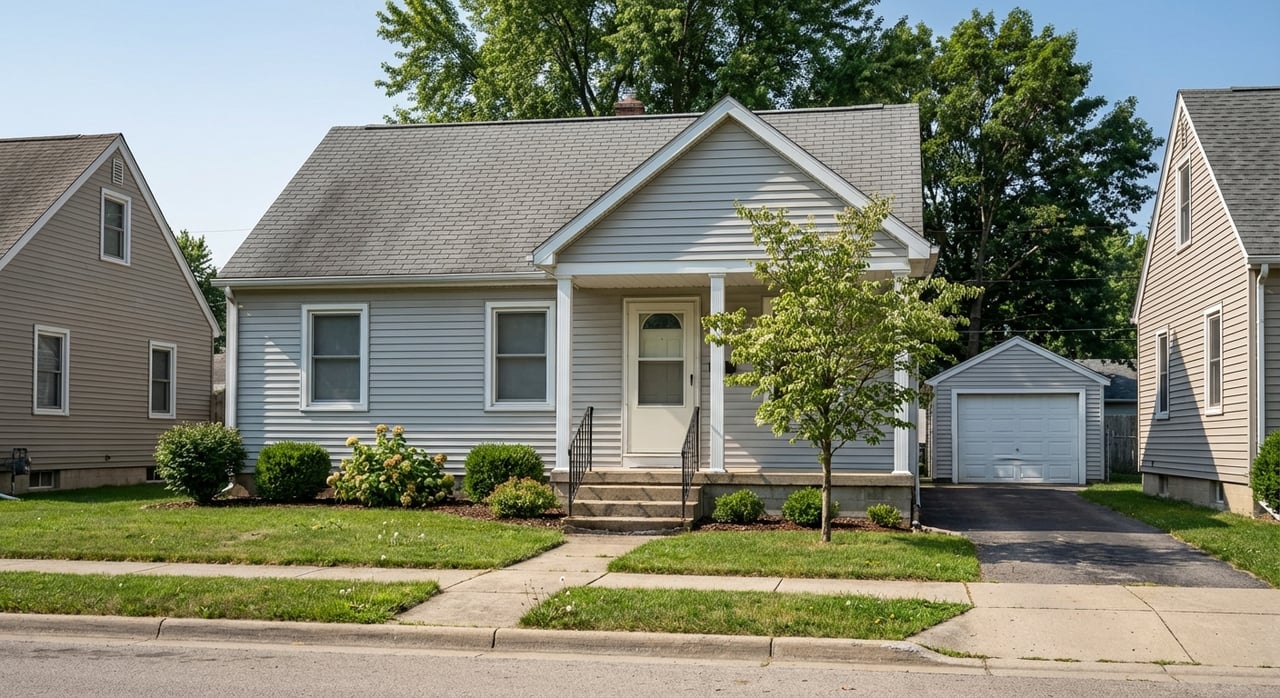
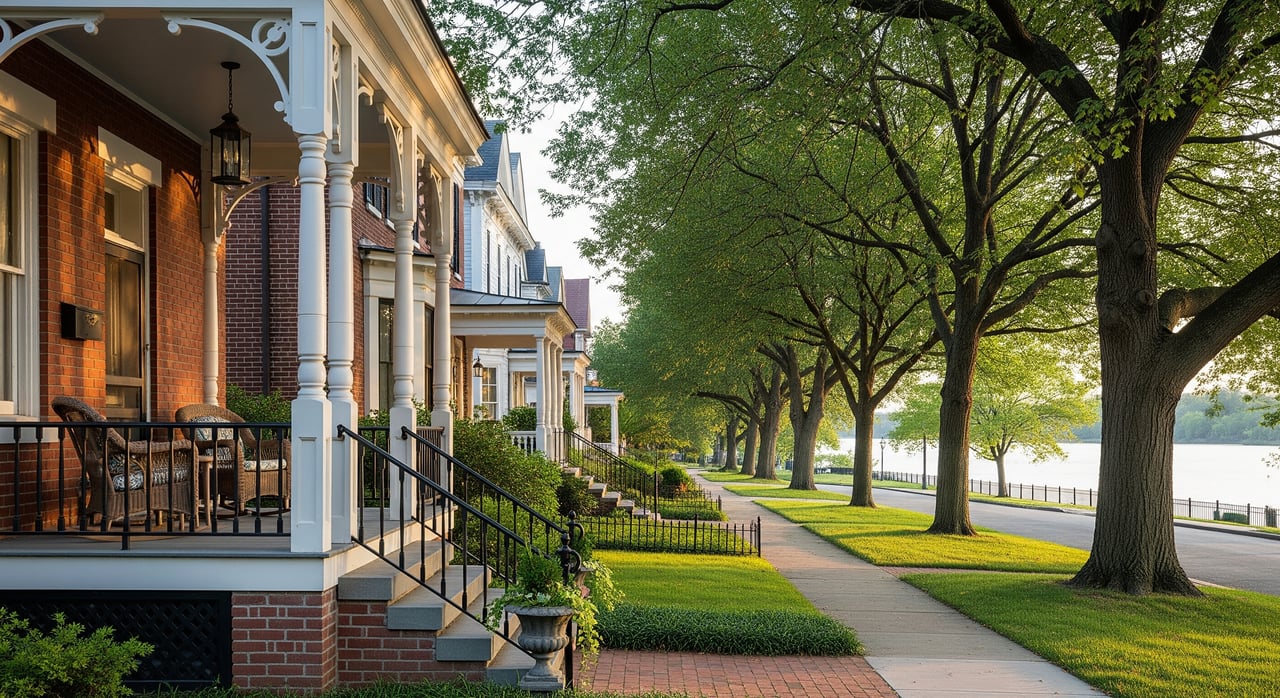
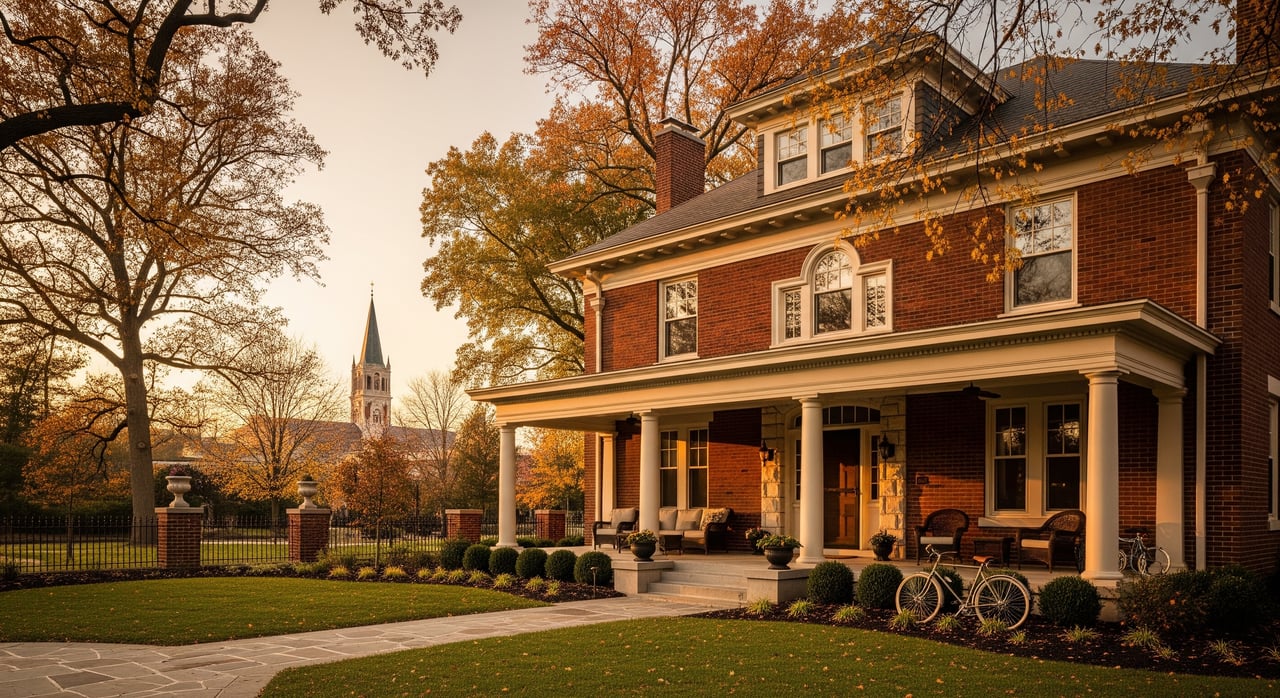
- Single-family homes: A few blocks out, you will see older bungalows, mid-century ranches, and some historic homes. Farther out, you will find newer subdivisions and townhomes.
- New construction and infill: You may see occasional new condo or apartment projects shaped by local zoning and market demand.
Rental timing and investor notes
Rental turnover spikes from late spring through summer as leases reset around the academic calendar. Proximity to campus can improve occupancy but may also increase tenant turnover, maintenance, and neighborhood noise. If you are investing, review local rental licensing, code enforcement, and any rules for multi-tenant or short-term rentals.
Price and affordability
Prices and rents shift with market cycles. Many buyers compare West Lafayette to Lafayette and the broader metro to understand how proximity to Purdue affects cost. For up-to-date numbers, use local MLS feeds and county assessor data, and lean on current brokerage reports.
Schools and family considerations
Areas of West Lafayette are served by the West Lafayette Community School Corporation and nearby districts, depending on your exact address. For accurate school information, review the Indiana Department of Education dashboards, district boundary maps, and official school pages. Families often choose neighborhoods near parks and community spaces, and many visit schools and attend programs to get a feel for fit.
Safety and public services
Crime patterns vary block by block. For reliable trends, consult reports from West Lafayette Police and the Tippecanoe County Sheriff. City pages outline trash pickup, utilities, snow removal, and permitting so you know what day-to-day services look like on your street.
Parking and practical tips
Parking is tighter in student-heavy blocks, especially during events. Some areas use on-street permits, and the university has separate permit zones. Confirm current residential rules with the City of West Lafayette and Purdue Parking before you commit to a specific block.
A day in the life near Purdue
The faculty or staff morning
You walk or bike a short distance to campus, grab coffee on State Street, and make it to your office without hunting for a parking spot. After work, you catch a guest lecture or a weeknight game, then head home with a quick stop at a nearby grocery store.
The young professional routine
You live in a mid-rise near an arterial road. Your commute is a 10–15 minute drive or transit ride depending on your schedule. Weekends mean a run on the riverfront trail, brunch downtown, and errands at a shopping center on the city edge.
The family weekend
You head to a local park and playground in the morning, then plan errands across the river where big-box stores and services cluster. If there is a game that day, you plan around traffic, maybe scheduling dinner a little earlier or later to avoid the rush.
Relocation checklist
- Commute reality: Test your route at your actual travel time, and expect delays on major event days.
- Transportation options: Confirm current CityBus routes, campus shuttles, and parking rules before you rely on them.
- Noise and activity: Walk the block at night and on weekends during the school year to gauge activity levels.
- Housing mix: Ask your agent about student rental clusters, owner-occupied streets, and upcoming development.
- Schools: Verify school assignment and transportation options with district and IDOE resources.
- Parks and amenities: Map your favorite outdoor spaces, and note trail connections to the Wabash River corridor.
- Investment lens: If buying a rental, check licensing rules, lease timing, and university enrollment trends.
- Risk checks: Review parcel-specific items like flood maps or local planning notes before you write an offer.
Is living near Purdue right for you?
If you want walkable access to campus energy, lectures, games, and a lively dining scene, the neighborhoods around Purdue offer a lot. If you prefer quieter evenings and easier street parking, look a few blocks farther out and plan around event days. Either way, you can enjoy short commutes, strong park access, and a community that balances university life with everyday convenience.
If you are weighing options or moving from out of state, you do not need to figure it out alone. For patient, education-first guidance and local insight across West Lafayette and Tippecanoe County, reach out to Ryan Dilley. Let’s schedule a consultation and map the right fit for your goals.
FAQs
What is the commute like near Purdue?
- Most local commutes are short, with slower travel on football, basketball, and graduation days when traffic and parking tighten.
How noisy are campus-adjacent blocks during the school year?
- Activity tends to be higher near student rentals and event venues; visit your block in the evening and on weekends to gauge year-round noise.
Do I need a car to live in West Lafayette?
- If you live close to campus and downtown, many errands are walkable or bikeable; farther out, you will commonly drive or use CityBus.
What should investors know about renting near Purdue?
- Demand is seasonal with turnover peaking in late spring and summer; review local licensing, occupancy limits, and maintenance needs for multi-tenant homes.
How do I verify school assignments in West Lafayette?
- Confirm boundaries and programs with the West Lafayette Community School Corporation and the Indiana Department of Education.
Is flood or environmental risk a concern near the river?
- Use FEMA flood maps and local planning resources to assess parcel-specific risk before you make an offer.