What does a typical day in Lafayette feel like? Picture a mid-sized Indiana city with historic brick streets, riverfront sunsets, and the buzz of a major university just across the bridge. If you are exploring a move, you want to know more than headlines. You want to see where you’ll grab coffee, how the commute feels, what weekends look like, and how neighborhoods differ block to block. This guide gives you a real-world look at Lafayette’s vibe, so you can plan your next step with confidence. Let’s dive in.
What Lafayette feels like day to day
Lafayette sits on the Wabash River and serves as Tippecanoe County’s hub. Its energy blends historic downtown living, manufacturing and healthcare jobs, and the cultural pull of Purdue University in neighboring West Lafayette. You get a practical, workaday rhythm during the week and a lively pulse on weekends.
Downtown streets wake up with coffee shops and breakfast spots, then roll into evenings on restaurant patios. On many weekends, you’ll find art, music, or seasonal activities that draw neighbors to the core. Across the river, Purdue events add visitors and excitement that spill back into Lafayette’s dining and lodging scene.
Neighborhood snapshots
Historic downtown and riverfront
Downtown Lafayette features older storefronts, loft-style living, and a growing mix of restaurants and local retailers. It is walkable, active, and convenient if you like car-light living. Expect a blend of renovated spaces and classic facades, with periodic events that keep the calendar full. For current happenings and downtown highlights, browse the regional calendar from Visit Lafayette–West Lafayette.
Near-downtown residential streets
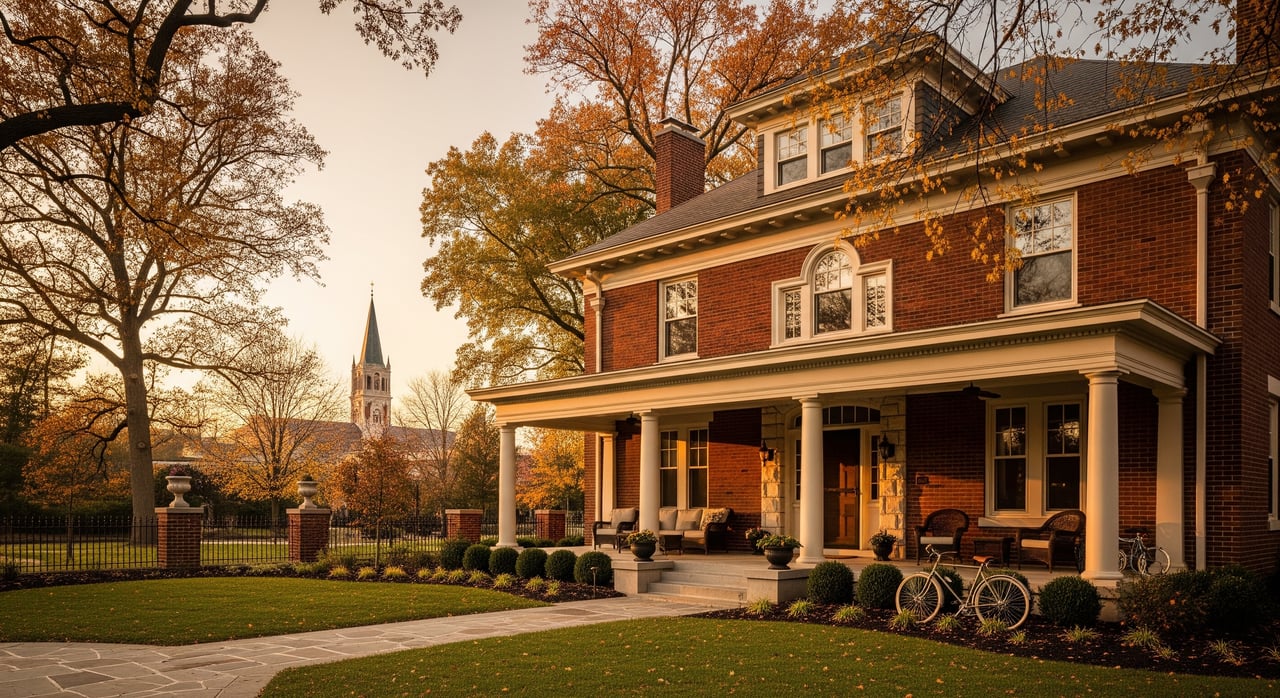
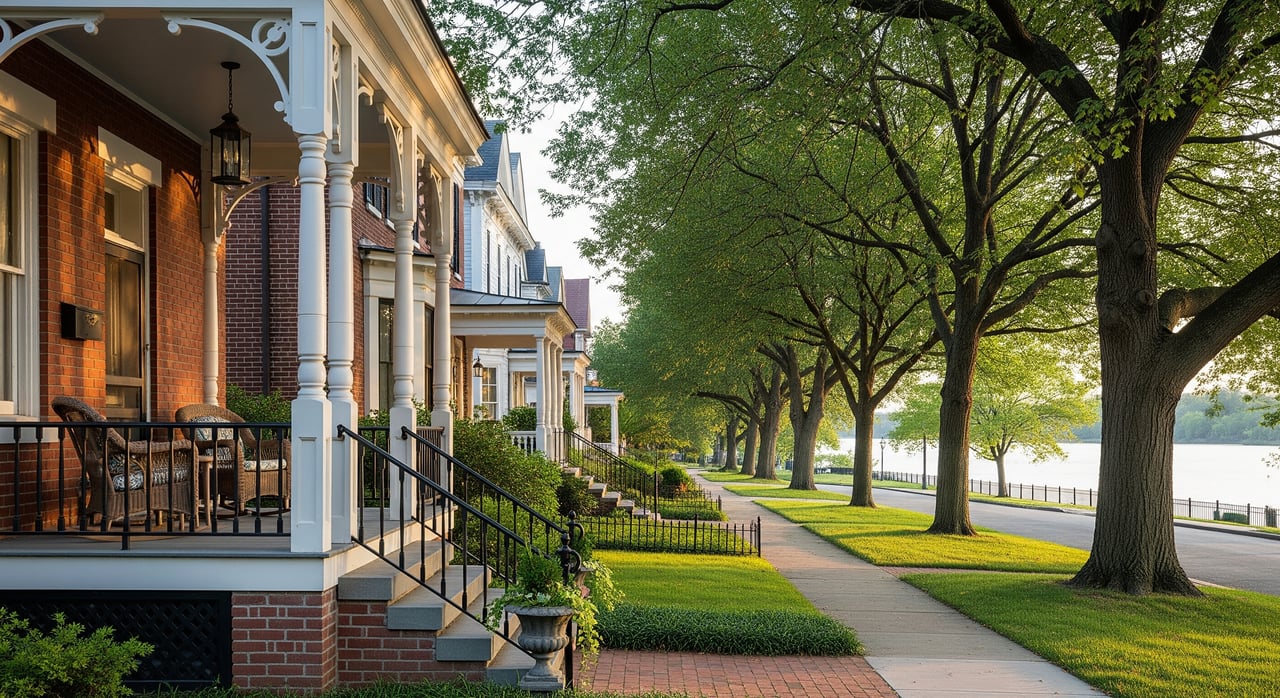
Just beyond downtown, you’ll find tree-lined blocks with late 19th and early 20th century homes. Front porches, varied lot sizes, and a classic neighborhood feel define these areas. Some streets are fully restored while others are mid-renovation, which can present opportunity if you value character. To explore city services, planning info, and maps, start with the City of Lafayette.
Mid-century blocks
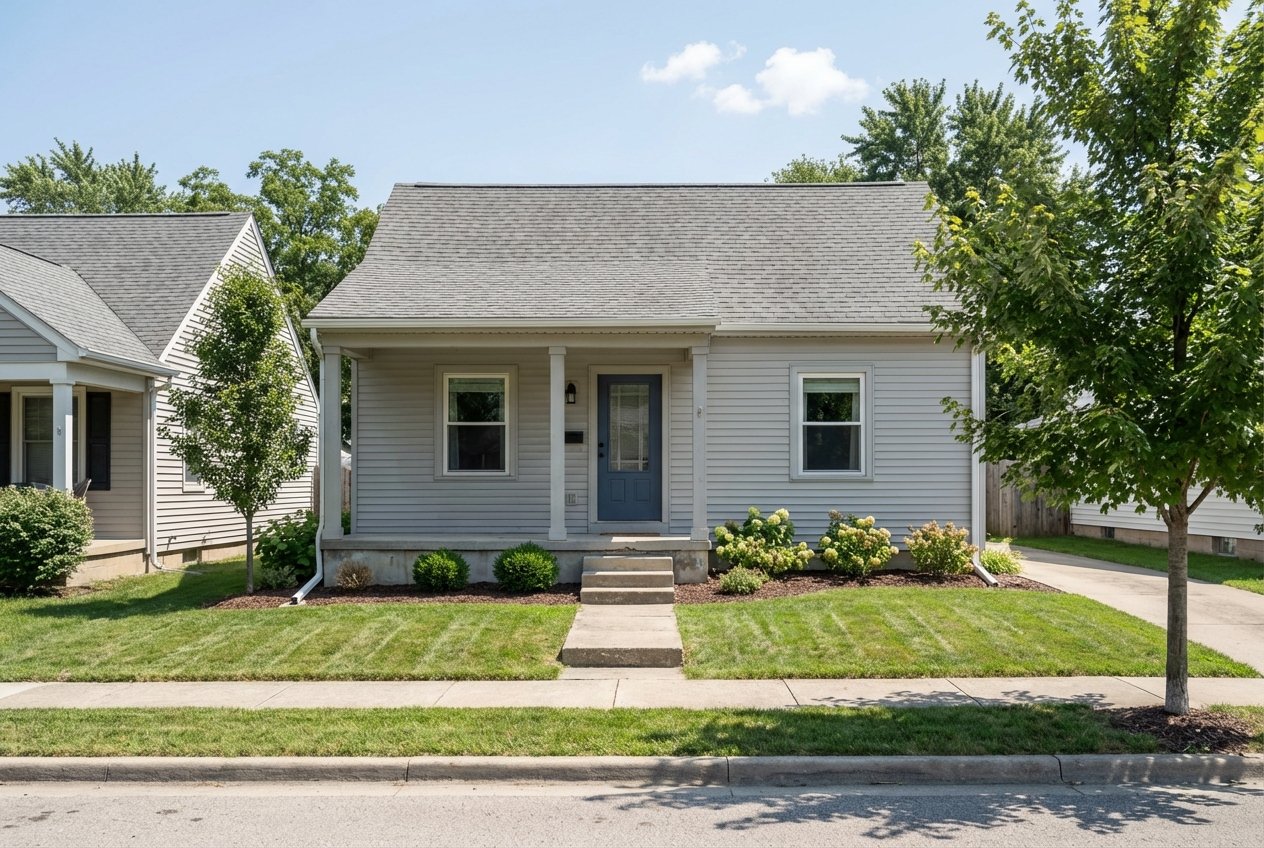
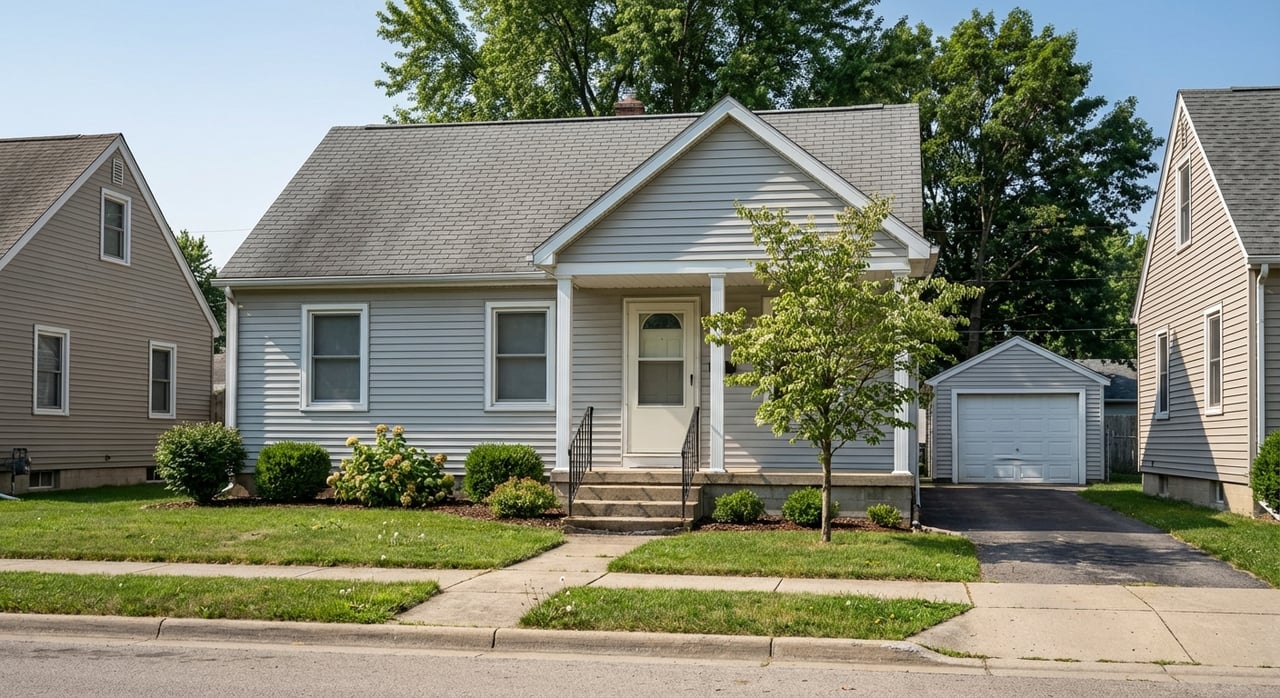
Ranch and bungalow homes from the 1950s to 1970s dot many Lafayette neighborhoods. These areas often offer one-level living, manageable yards, and a practical layout that suits many budgets. Amenities vary by location, so it helps to drive the area at different times to gauge traffic, sounds, and access to parks.
New subdivisions on the edge
Newer subdivisions and edge-of-city developments deliver contemporary floor plans, cul-de-sacs, and larger garages. Retail corridors nearby make errands easy by car, and newer construction can mean lower immediate maintenance. Commute times vary by your destination, so plan a test drive during peak hours to confirm.
Transitional corridors
Older commercial strips are evolving with new restaurants, breweries, and small businesses. These areas can change block to block, so keep an open mind and visit at lunch, late afternoon, and evening. For local openings and neighborhood stories, check coverage from the Journal & Courier.
Everyday essentials
Groceries and shopping
You’ll find a mix of local shops and chain stores. Downtown leans local and boutique, while major roads carry big-box options and service businesses. Many residents split shopping between the two for convenience and variety.
Parks and outdoors
The Wabash River and neighborhood parks anchor outdoor life. Riverfront paths and green spaces are favorite spots for walks, biking, and sunset views. Lafayette also maintains a large community park with a small zoo and museum-style elements, plus plenty of fields and playgrounds across the city. For park locations and amenities, visit Lafayette Parks & Recreation via the City site.
Arts and events
From small galleries and theaters to festivals and community celebrations, there is always something on the calendar. You’ll see seasonal events, farmers markets, and arts activities that pull in residents from across Tippecanoe County. For upcoming events, use the listings at Visit Lafayette–West Lafayette.
Schools and learning
K–12 schools are organized by district boundaries. The Lafayette School Corporation serves many in-city neighborhoods, while surrounding areas may fall in adjacent districts. West Lafayette’s schools are separate and shaped by Purdue’s proximity. Confirm boundaries and view objective performance data with the Lafayette School Corporation and the Indiana Department of Education.
Healthcare and services
Regional hospitals, clinics, and specialty practices serve the metro. City and county websites list libraries, community centers, and neighborhood services, which is helpful when you are planning around a daily routine. For county-wide resources and links, start with Tippecanoe County.
Getting around
Commutes and highways
Lafayette connects to regional U.S. and state highways, with interstate access that ties the city to Indianapolis and other hubs. If you are comparing neighborhoods, map your typical route and test it during peak hours. For road projects and maps, check the Indiana Department of Transportation.
Buses and local transit
CityBus runs routes across Lafayette and into West Lafayette, and Purdue operates a campus system that many employees and students use. If you prefer a car-light lifestyle, certain trips are very doable by bus, though many residents still drive. Plan rides and schedules at CityBus.
Regional air and rail
The region is served by the Purdue University Airport for general aviation, with commercial flights available in larger nearby cities. Passenger rail service is accessible in the area; confirm routes and times directly with Amtrak when planning travel.
Cost of living and housing cues
Cost of living in Lafayette is generally lower than large metros, though it varies by neighborhood and housing type. Historic homes can carry renovation needs, mid-century homes may offer good value with classic layouts, and newer construction brings energy efficiency and modern design. Rental demand near Purdue influences certain corridors, while many in-town streets lean more owner-occupied.
Who shops here? A wide mix. You will see young professionals and Purdue-affiliated staff, households looking for yards and parks, downsizers seeking walkability near downtown, and manufacturing or healthcare employees who value a short, predictable commute. That diversity helps sustain Lafayette’s hybrid character.
When touring, keep a simple checklist:
- Flood and environment: Check whether a property is in a floodplain and review any known environmental factors. County GIS and city floodplain maps are a great starting point via Tippecanoe County.
- School boundaries: Verify the assigned schools with the Lafayette School Corporation or the appropriate district.
- Commute realities: Test-drive your route during peak traffic and consider game days when Purdue events may affect travel.
- Sounds and surroundings: Note train lines, industrial areas, or busy corridors near the property.
- Age and upkeep: Older homes can have charm and long-term value. Factor in roof, mechanicals, windows, and potential updates.
A weekend in Lafayette: sample day
Start with coffee downtown, where sidewalks fill with neighbors and students. Stroll the riverfront path for a low-key workout and skyline views. Grab a casual lunch on a patio, then browse local boutiques or a seasonal market if it is on the calendar.
If Purdue has a home game or major event, you will feel the energy rise across the metro. Many locals enjoy the buzz, then head back to Lafayette for dinner at a favorite spot. Cap the night with a community concert or a show. You will find that weekends here can be as relaxed or as lively as you like.
Practical checklist before you move
- Research district boundaries and report cards with the Lafayette School Corporation and the Indiana Department of Education.
- Review floodplain overlays and property details with Tippecanoe County.
- Map your commute and check current road projects through INDOT.
- Explore bus routes for key trips at CityBus.
- Visit on both a quiet weekday and a busy event day to compare parking, traffic, and street activity.
- Talk with a local fiduciary agent who can flag property condition issues and guide pricing and negotiation.
If you want a patient, education-first partner to help you compare neighborhoods, evaluate property condition, and plan a smart offer or sale, connect with Ryan Dilley. You will get clear options, practical insight from construction and accounting experience, and steady guidance from search to close.
FAQs
Is Lafayette more like a college town or a mid-sized city?
- It is a hybrid: Lafayette brings a diverse economy and historic downtown, while Purdue in neighboring West Lafayette adds cultural events, research influence, and visitor energy.
How reliable is public transit for daily errands in Lafayette?
- Many trips are possible on buses, especially between core corridors, though car ownership is still common; check routes and schedules at CityBus.
How do I confirm which schools serve a Lafayette address?
- Use district boundary tools and contact the Lafayette School Corporation or the appropriate district office to verify assignment before you write an offer.
Are some Lafayette homes in a Wabash River floodplain?
- Yes in some areas near the river; review county GIS and floodplain maps through Tippecanoe County and factor flood insurance into your budget when applicable.
What is the difference between living near downtown and the outer subdivisions?
- Near downtown offers walkable blocks, historic homes, and nightlife access, while outer subdivisions tend to have newer builds, larger garages, and easier highway access for commuters.