Trying to figure out which West Lafayette neighborhood fits your first home and your budget? You are not alone. The city offers everything from older, walkable streets near Purdue to newer subdivisions with more space, and prices vary a lot block to block. In this guide, you will learn where first-time buyers tend to land, what trade-offs to expect, and how to plan your monthly costs with confidence. Let’s dive in.
Market snapshot at a glance
West Lafayette’s average home value sits around $353,011, with a recent median sale price near $342,279. Prices vary widely by neighborhood. For example, some newer or planned subdivisions trend higher, such as Arbor Chase around $524,561 and University Farms around $499,986, while established areas like Glenwood Heights are closer to about $266,257. If you need lower price points, parts of Tippecanoe County and nearby Lafayette zips often run below many West Lafayette subdivisions, so widening your search can help.
Neighborhood snapshots for first-time buyers
Near Purdue: Chauncey, Downtown, and close-in streets
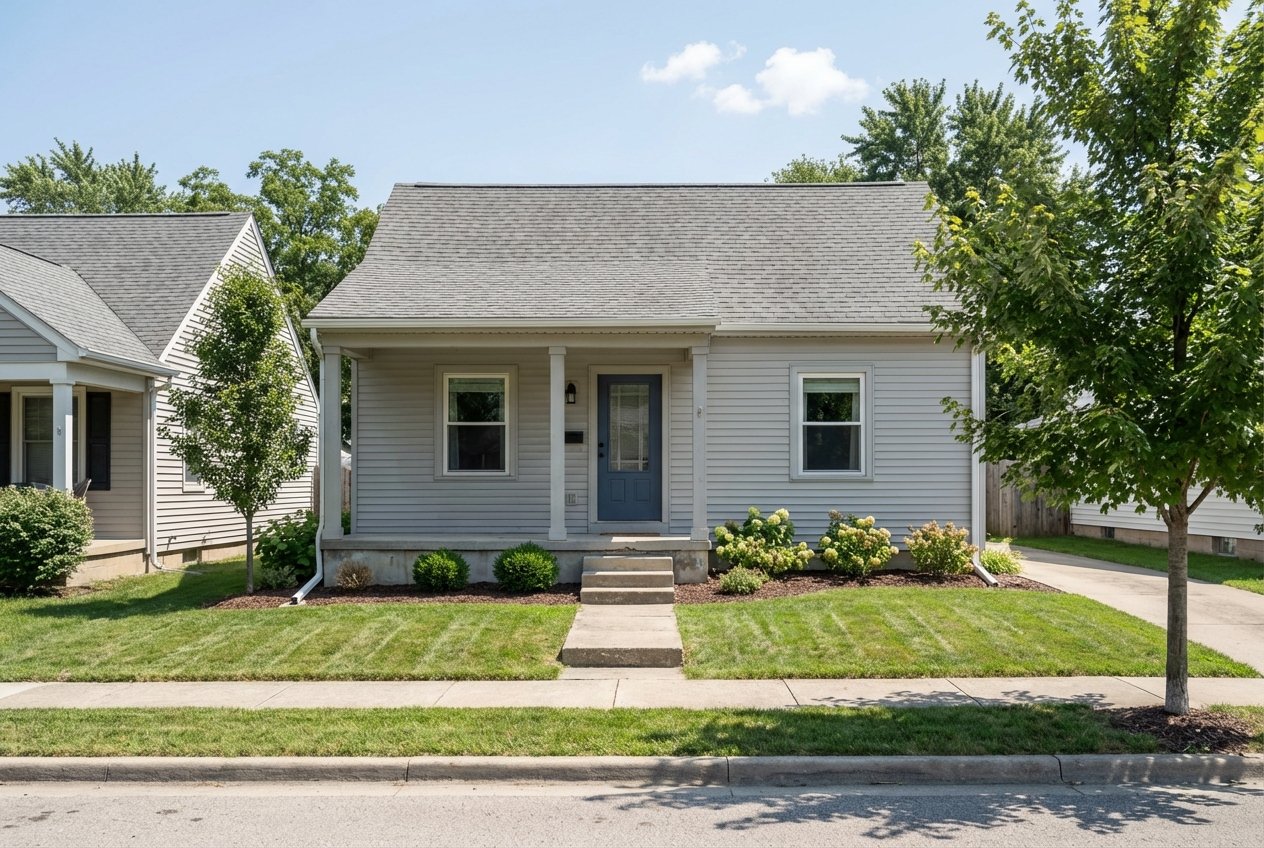
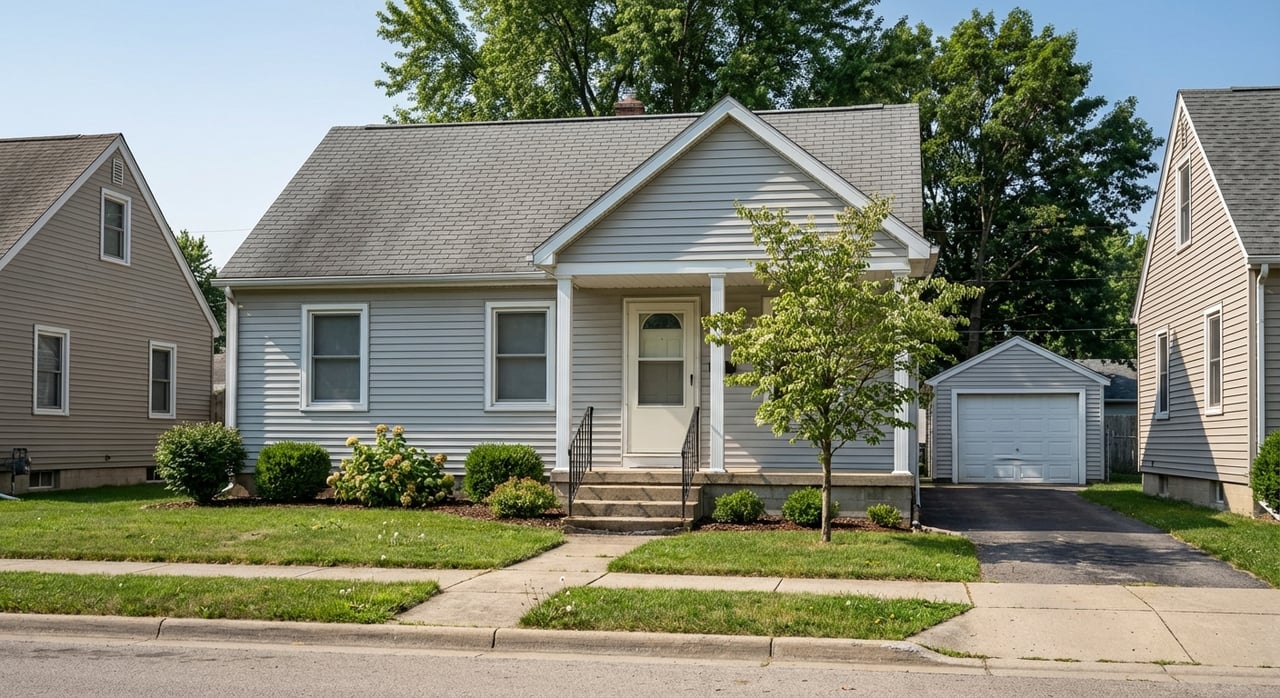
If you want short bike rides or walks to campus, start here. You will see older homes on compact lots, including bungalows, duplexes, and occasional historic properties. The trade-off is yard size and age-related upkeep, and you may see more rental turnover nearby. Smaller houses can be more budget-friendly, but well-renovated homes in these pockets can command premium prices.
Happy Hollow, Klondike, and established areas
These established neighborhoods mix mid-century homes with newer infill, tree-lined streets, and park access. You get moderate lot sizes and a residential feel without paying new-construction premiums. Many areas are served by CityBus routes, helpful if you prefer fewer car trips. HOA presence is limited unless the home sits inside a defined subdivision.
University Farms, Arbor Chase, Timbercrest, and newer plats
Planned subdivisions offer sidewalks, garages, and modern floor plans. You typically pay more for newer construction and neighborhood amenities, but you gain living space and predictable layouts. The commute is still short by big-city standards. HOAs are common here, and fees vary based on what they cover, from common-area maintenance to pools or landscaping.
Northwest corridor and Celery Bog access
If you value green space, look near the Celery Bog and connected trails. You are close to city-maintained parks and paths, with a calm, outdoor-forward lifestyle. Explore the city’s parks and facilities to see how trails connect to daily routines and weekend plans. For maps and details, check the city’s overview of parks, trails, and facilities.
Commute and transit tips
West Lafayette’s mean commute time is about 15.4 minutes, which makes every neighborhood feel accessible for daily routines. That short drive time is a real monthly quality-of-life boost. If you prefer car-light living, CityBus routes and campus connectors link key neighborhoods to Purdue and downtown. Some express services align with Purdue semesters, so confirm schedules if bus access matters to you.
Schools and boundary checks
Many city addresses fall within the West Lafayette Community School Corporation. Always verify a specific property’s assigned school directly with the district and confirm bus routing if you plan to use bus service. Start with the WLCSC district site for official contacts and boundary details. Attendance lines can differ across nearby streets, so double-check before you write an offer.
What inspections often find here
Plan for a full home inspection that follows national standards covering roof, foundation, HVAC, plumbing, electrical, attic, and visible structure. Review what a standard inspection evaluates using InterNACHI’s inspection scope so you know what to expect.
Common local findings include:
- Radon. Indiana’s risk profile makes testing smart for almost every buyer. Build a radon test into your inspection window and negotiate mitigation if levels are high. The American Lung Association urges statewide testing, and new homeowners should take it seriously. Learn more from the American Lung Association.
- Moisture or drainage. Older basements and low-lying lots can show dampness or seepage. Inspectors often recommend grading fixes, gutter and downspout improvements, and sump pump checks.
- Lead-based paint and older systems. Homes built before 1978 require federal lead disclosure. If you plan renovations or have young children, ask about testing and safe work practices per the EPA’s lead-based paint guidance.
- Sewer line condition. On older streets, a sewer camera scope is a smart add-on to spot root intrusion or line defects.
What your monthly payment might look like
Below are conservative examples that help you compare neighborhoods and home types. Each stack assumes a 30-year fixed at about 6.1 percent APR with 20 percent down. Use a lender quote for exact numbers, and remember that property tax and HOA fees vary widely by address and community. For the rate benchmark, see the Freddie Mac PMMS.
Entry example at $250,000 purchase, 20 percent down:
- Principal and interest: about $1,212 per month.
- Property tax estimate: roughly $208 to $292 per month.
- Homeowners insurance: about $75 to $125 per month based on typical Indiana quotes. For context on coverage cost ranges, review this Indiana homeowners insurance overview.
- Utilities and trash: about $150 to $300 per month depending on usage.
- HOA: often $0 to $50 plus for single-family homes, higher for condos.
- Estimated total: about $1,700 to $1,950 per month.
Mid example at $350,000 purchase, 20 percent down:
- Principal and interest: about $1,697 per month.
- Property tax: roughly $292 to $408 per month.
- Insurance: about $75 to $150 per month.
- HOA: ranges from $0 to $200 plus depending on community and amenities.
- Estimated total: about $2,250 to $2,550 per month.
Upper mid example at $500,000 purchase, 20 percent down:
- Principal and interest: about $2,424 per month.
- Property tax: roughly $417 to $583 per month.
- Insurance: about $100 to $200 per month.
- HOA: condos and townhomes can run $150 to $400 plus per month.
- Estimated total: roughly $3,050 to $3,600 per month.
HOA basics to review
HOAs are common in newer subdivisions and most condo or townhome communities. Fees vary based on what the association covers, from common-area maintenance to landscaping, snow, pools, or irrigation. Before you commit, request the budget, reserves, rules and regulations, meeting minutes, and any planned special assessments. Your monthly cost and lifestyle flexibility can change a lot depending on those documents.
Quick first-time buyer checklist
- Get pre-approved and set your target price, commute time, and yard needs.
- Drive candidate neighborhoods at rush hour and midday to gauge traffic and parking.
- Compare recent market snapshots and how prices vary by subdivision.
- Confirm school boundaries with WLCSC and ask about bus routing if it matters.
- Include inspection add-ons: radon test, sewer scope, termite, and lead testing for pre-1978 homes.
- Review HOA documents early if the home is in an association.
- Map your monthly budget using principal and interest, taxes, insurance, utilities, and any HOA.
Next steps
Choosing your first West Lafayette neighborhood is easier when you have clear data and steady guidance. If you want a patient, education-first approach that blends local insight with practical construction and budgeting advice, connect with Ryan Dilley. Schedule a Consultation and start your search with confidence.
FAQs
What should a first-time buyer expect to pay monthly in West Lafayette?
- With a 30-year fixed near 6.1 percent and 20 percent down, many first-time buyers see totals around $1,700 to $2,550 per month depending on purchase price, taxes, insurance, utilities, and any HOA.
Which West Lafayette neighborhoods are walkable to Purdue?
- Close-in areas like Chauncey and the downtown-adjacent streets offer short walks or bike rides to campus, usually with older homes on smaller lots and age-related maintenance trade-offs.
Are HOAs common in West Lafayette?
- HOAs are more common in planned subdivisions and most condo or townhome communities; always review the budget, reserves, and rules because inclusions and fees vary widely.
How long are commutes across West Lafayette?
- The city’s mean commute is about 15.4 minutes, and CityBus routes serve many neighborhoods with links to Purdue and downtown.
How do I verify my home’s assigned school?
- Start with the West Lafayette Community School Corporation and confirm the address-level boundary and any bus routing details before you submit an offer.
What inspections or tests are most important locally?
- Along with a full home inspection, many buyers add a radon test, sewer scope, termite inspection, and lead testing for pre-1978 homes; see InterNACHI, the American Lung Association, and the EPA for details.