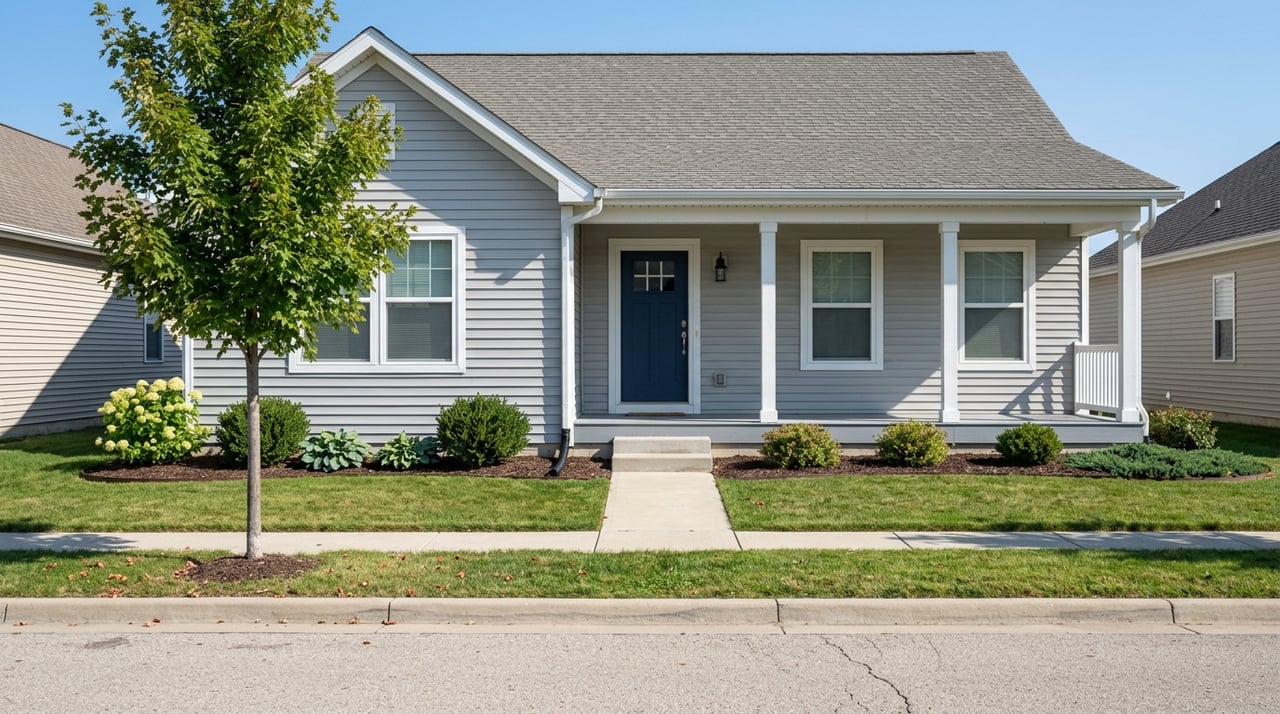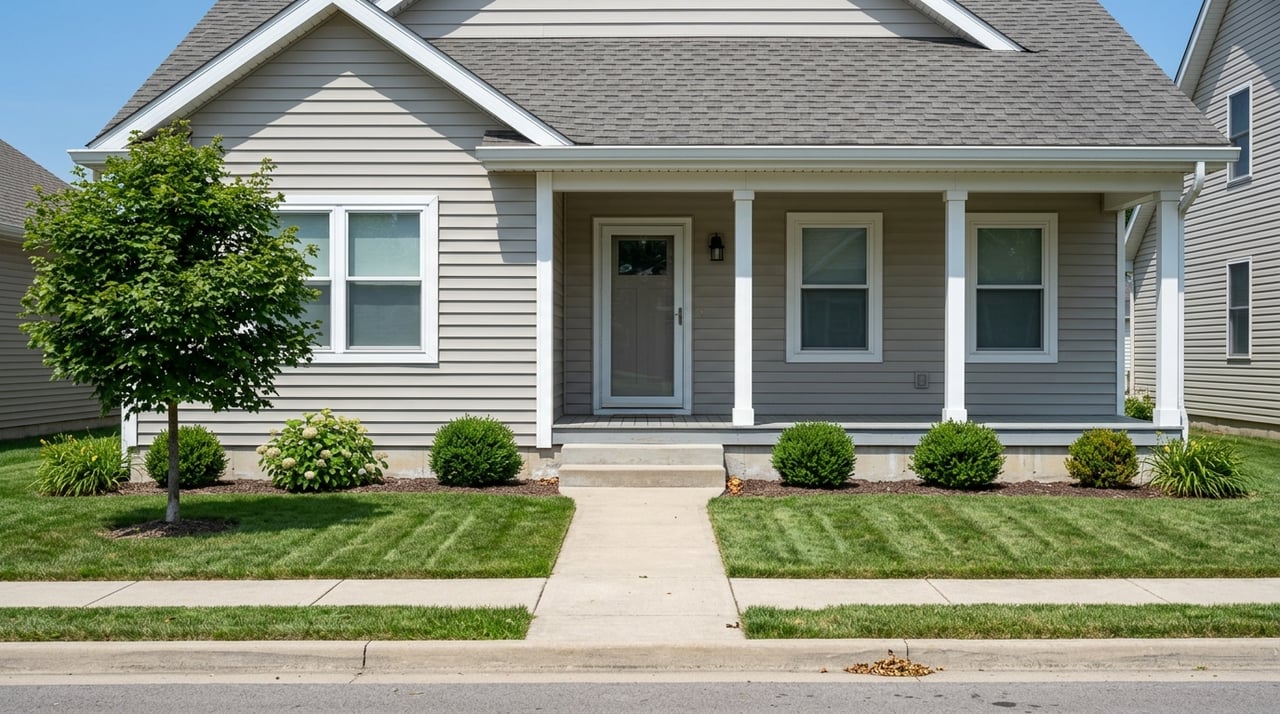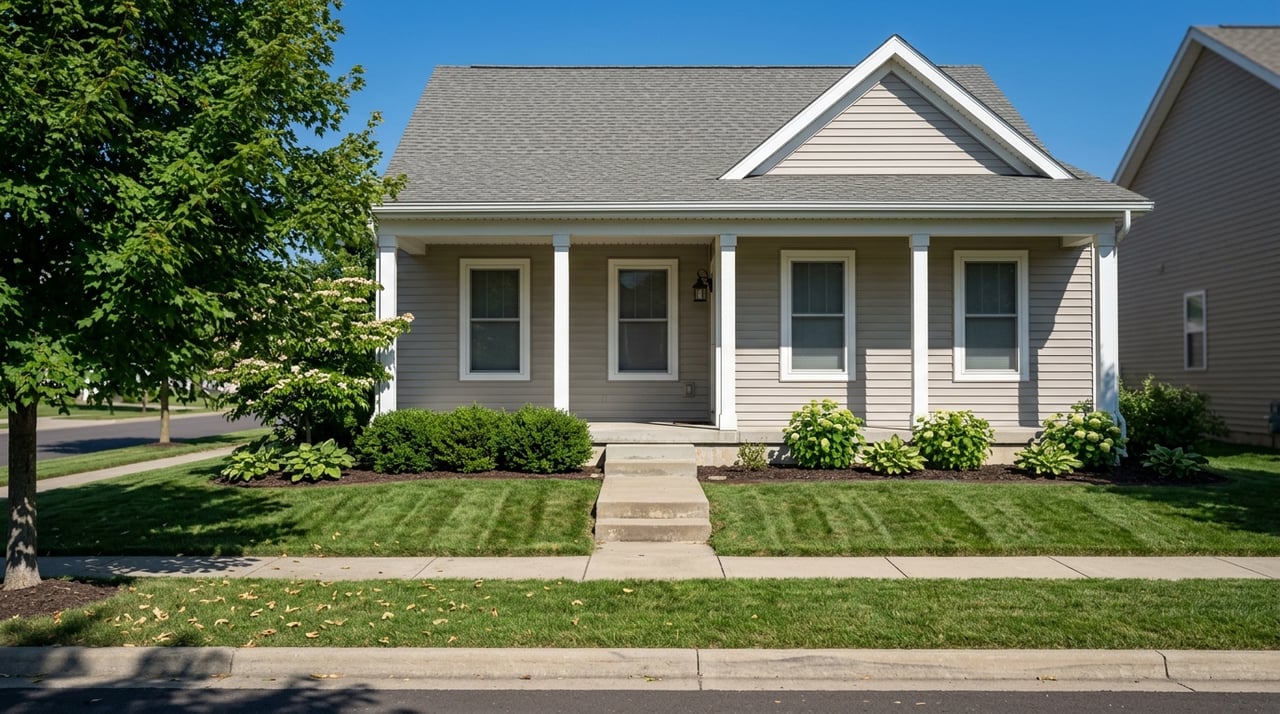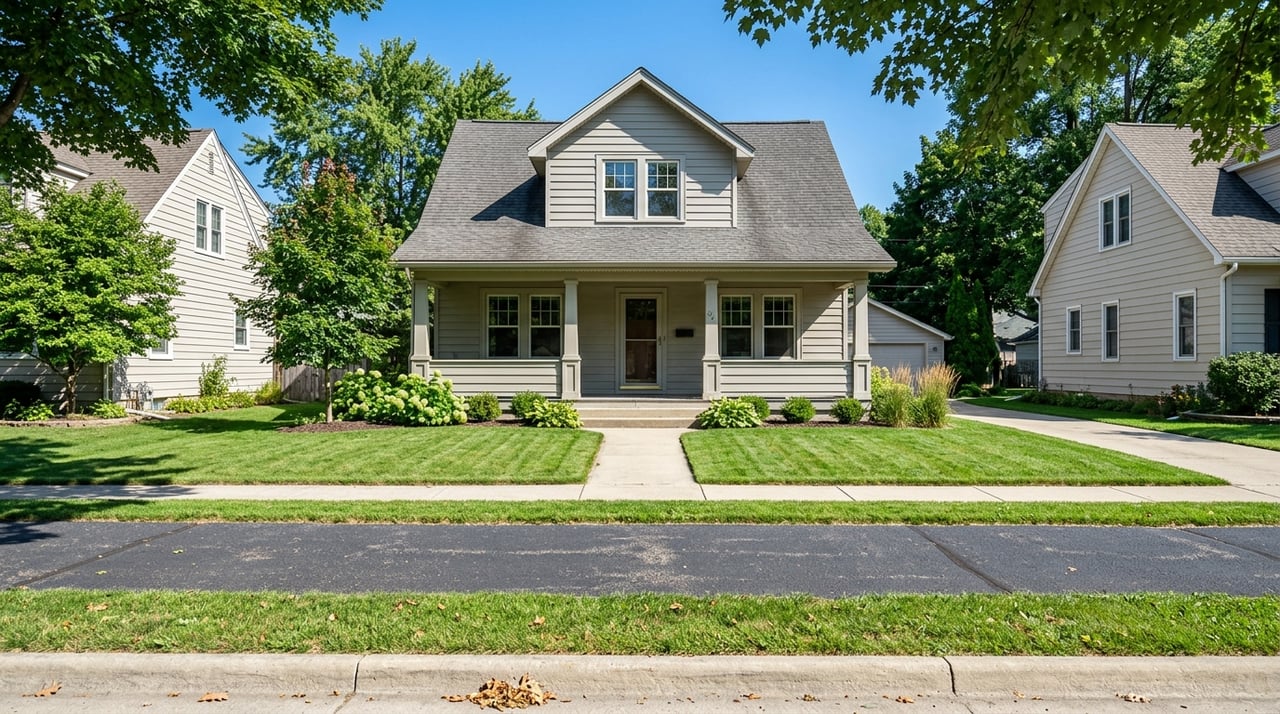
Thinking about selling in Lafayette but not sure where to start? You want a smooth plan, clear timing, and a confident price so you get to closing without surprises. This guide gives you the exact steps Tippecanoe County sellers follow, what to expect at each stage, and the local paperwork you need to complete. You will also see how a fiduciary agent can simplify decisions and protect your bottom line. Let’s dive in.
Your Lafayette selling timeline
- Pre-listing consult and pricing plan: 1–3 days to schedule, CMA in 1–3 days.
- Prep, repairs, and staging: 1–4+ weeks depending on scope and contractor availability.
- Photos and launch: photos 1–3 days before go-live; listing published on IRMLS and syndicated the same day your agent activates it.
- Showings and offers: hours to a few weeks; set a deadline if you expect multiple offers.
- Contract to close: financed deals often take about 30–45 days; cash can close faster. This timing aligns with common industry averages and lender workflows, including required loan disclosures.
In Lafayette, many sellers see 3–8+ weeks from first consult to accepted offer, then about 30–45 days to closing for financed buyers. Your timing depends on inventory, demand, and buyer financing.
Step 1: Consultation and CMA
Your first meeting sets the strategy. You and your agent review a Comparative Market Analysis (CMA), discuss pricing, timing, and your priorities. You will also preview the marketing plan, from professional photos and virtual options to MLS placement. Only MLS subscribers can create and manage listings on the Indiana Regional MLS, which is accessed locally through the Lafayette Regional Association of REALTORS. Learn more about local MLS tools through the association’s member resources at the Lafayette Regional REALTORS site.
What you and your agent cover:
- Recommended pricing range and net proceeds planning.
- Prep and repair priorities with vetted vendor referrals.
- Required Indiana disclosures and timing expectations.
Step 2: Pre-listing prep
Focus on clean, bright, and move-in ready. Declutter, deep clean, complete small repairs, freshen paint where needed, and improve curb appeal. Your agent will recommend full, partial, or virtual staging. Staging helps buyers visualize living in the home and can shorten market time. If you plan drone photos, confirm the pilot’s FAA compliance and any property restrictions.
Photography is usually booked 3–7 days in advance. Aim to finish staging and touchups before photo day so your images shine.
Step 3: Photo day and MLS launch
After staging and cleaning, your photographer captures interiors, exteriors, and any approved aerials. Your agent then inputs the listing into the Indiana Regional MLS via the Lafayette Regional Association of REALTORS so it syndicates to consumer home search portals the same day the listing goes live. Your agent also places a secure electronic lockbox and sets showing instructions so buyer agents can tour the home during approved windows. Review your showing windows and any notice requirements in advance to reduce stress on launch day. For MLS and listing logistics, see the Lafayette Regional REALTORS member tools.
Step 4: Showings and offers
Expect scheduled showings, broker tours, and possibly an open house. Keep the home show-ready and create a quick routine for pets, valuables, and daily tidying. When offers arrive, your agent presents all terms, explains contingencies, and estimates your net proceeds. If activity is strong, consider setting an offer deadline to manage multiple offers fairly and efficiently.
Step 5: Under contract to closing
- Inspection period: Purchase agreements commonly set a 7–14 day inspection window, though timing is negotiable. Buyers may request repairs or credits. You can agree, counter, or decline according to the contract.
- Appraisal: If the buyer is financing, the lender orders an appraisal. If the home appraises below the contract price, you and the buyer may renegotiate price or terms.
- Closing timeline: Financed purchases often take about 30–45 days from contract to funding, depending on lender and file complexity. Lenders must provide the Closing Disclosure at least three business days before loan consummation, which can affect your closing date. See the CFPB’s TRID FAQs for the three-day rule and a lender timing overview of typical closings.
Helpful references:
- Review closing-time examples and lender averages. See a lender-timing overview.
- Understand the three-business-day Closing Disclosure rule. See the CFPB’s TRID FAQs.
Step 6: Recording and after closing
Your title company coordinates recording and county steps. In Tippecanoe County, the Sales Disclosure must be endorsed by the Assessor before the deed is recorded by the Recorder. The title company will itemize county recording and transfer-related fees on your closing statement. Because small administrative fees can vary by filing method or vendor, confirm exact amounts with your title company or the county auditor on your file. For a local example of line items such as a Sales Disclosure fee and an Auditor transfer fee, review a sample title-pricing sheet.
Helpful references:
- Tippecanoe County recording requirements and Sales Disclosure endorsement steps.
- Sample local title company fee sheet to see common line items.
Indiana seller disclosures you must complete
Indiana law requires most sellers of 1–4 unit residential property to complete and deliver the Seller’s Residential Real Estate Sales Disclosure under IC 32-21-5. The timing of this disclosure matters. If delivered late or if new material information is disclosed after acceptance, the buyer may have certain rights under the statute. Review IC 32-21-5 for details and ask your agent if you have questions.
Separately, Indiana’s Sales Disclosure Form (State Form 46021) is used for assessor and auditor reporting and is filed with the county. The Indiana Department of Local Government Finance has issued instructions for the current form. Your title company typically coordinates this form at closing, but you will sign and review it.
Helpful references:
- Indiana Code IC 32-21-5, Seller’s Residential Real Estate Sales Disclosure.
- DLGF memo on the revised Sales Disclosure Form and filing instructions.
Market snapshot and what it means
As context, recent Lafayette data show a typical home value around 255,000 dollars, a median sale price near 260,000 dollars, and a median days-to-pending near 43 days, based on a Zillow snapshot through January 31, 2026. Always ask your REALTOR for a neighborhood-level CMA because activity can vary between Lafayette, West Lafayette, and nearby Tippecanoe communities.
Local demand often benefits from Purdue University’s scale. With nearly 50,000 in-person students in West Lafayette, investor and parent-buyer interest can shape seasonality near campus, while suburban neighborhoods often follow family and commuter cycles. If your property attracts both investors and owner-occupants, plan your launch around that buyer pool and the academic calendar where relevant.
What selling will cost
Your main costs typically include:
- Commission: Negotiable and locally variable. Historically, combined commissions have often been in the mid-single digits.
- Title, recording, and transfer-related fees: Modest county line items and title costs vary by file. Your title company will provide an estimate.
- Seller-paid concessions: If negotiated, credits for closing costs or repairs.
- Prorated property taxes and HOA dues, if applicable.
Ask your agent to prepare an estimated net sheet so you can compare different pricing and concession scenarios before you go live.
Quick checklists
Pre-listing (4–6 weeks before target date)
- Book agent consultation and CMA.
- Choose a target launch week and coordinate around major local events.
- Order contractor bids and complete essential repairs.
- Decide on full, partial, or virtual staging.
Two weeks before launch
- Declutter and deep clean; finish paint touchups.
- Remove personal items for photos.
- Confirm yard work and debris removal.
One week before launch and photo day
- Final staging and professional cleaning.
- Confirm photographer, 3D tour, and any approved drone shots; set a weather backup.
Listing day
- Agent publishes your listing on IRMLS; lockbox placed and showings activated.
- Agent begins “Just Listed” marketing and broker outreach.
After accepting an offer
- Buyer deposits earnest money per the contract timeline.
- Complete inspections, negotiate repairs or credits within the inspection window.
- Provide requested documents to title, including HOA info and receipts.
Closing week
- Confirm final walkthrough timing and key transfer.
- Title records the deed, pays off liens, and disburses your proceeds.
Why work with a fiduciary
A fiduciary agent puts your interests first. With a construction and accounting background, your advisor can help you decide which repairs are worth doing, how to price for both speed and net, and how to navigate inspection, appraisal, and title details with less stress. Full MLS distribution and polished marketing ensure your home reaches the widest qualified audience.
Ready for a clear, local plan to sell your Lafayette home? Schedule a friendly strategy call with Ryan Dilley and get a step-by-step timeline, staging and pricing advice, and a personalized net sheet.
FAQs
What paperwork do Indiana home sellers need?
- Most sellers of 1–4 unit residential property must deliver the Seller’s Residential Real Estate Sales Disclosure under IC 32-21-5, and the state Sales Disclosure Form is filed with the county for tax and assessment reporting. See the disclosure statute and DLGF instructions for details.
How long does closing take after I accept an offer?
- Financed purchases commonly close in about 30–45 days, depending on the lender and file. Lenders must deliver the Closing Disclosure at least three business days before consummation, which can affect your scheduled closing date.
How are IRMLS listings and lockboxes handled in Lafayette?
- Local agents create listings on the Indiana Regional MLS through the Lafayette Regional Association of REALTORS and place secure electronic lockboxes with your showing instructions. Learn more in the association’s MLS and tools resources.
What Tippecanoe County fees should I expect at recording?
- Expect small county items such as Sales Disclosure processing and Auditor transfer fees, plus standard title and recording costs. Requirements include Sales Disclosure endorsement before recording. Ask your title company for exact current amounts.
Do I have to stage my Lafayette home?
- Staging is optional but can help buyers visualize the space and may reduce time on market. Your agent can recommend full, partial, or virtual staging based on your home and budget.