If you love the energy of West Lafayette but do not want your home life to feel like the middle of campus, you are not alone. Many buyers want a place where daily life feels calmer, streets feel more residential, and green space is part of the routine, while still staying close to Purdue and the rest of Greater Lafayette. The good news is that West Lafayette offers exactly that kind of balance when you know where to look. Let’s dive in.
West Lafayette Has Two Distinct Feelings
West Lafayette is not one single neighborhood experience. The city’s 2025 to 2035 Strategic Plan describes a shift from a quiet town to a more spirited small city, shaped in part by Purdue’s presence and growth.
That helps explain why one part of West Lafayette can feel busy and student-centered, while another feels more tucked away and residential. For buyers searching for quiet neighborhood living in West Lafayette beyond campus, that distinction matters.
Campus Core Feels Different
Purdue’s main campus sits in West Lafayette along the Wabash River, and the city reports a population of about 45,000, with 62% of residents under age 24. That large university presence has a real effect on housing patterns, traffic flow, and the pace of daily life.
The city also reports more than 11,600 rental units, with 47% concentrated in Oakwood Village, Chauncy Village, and New Chauncey. Those areas are useful reference points because they reflect the more campus-influenced side of the market.
If you want a quieter home base, the goal is not to avoid West Lafayette. It is to understand which parts of the city feel more connected to campus activity and which parts feel more residential.
Quiet Living Starts Beyond Campus
West Lafayette’s own housing survey language gives a helpful clue. The city specifically asks about preferences for the outskirts of town, including areas north of Kalberer, west of Purdue and State Highway 231, and south of the Wabash River.
That does not create an official ranking of quiet neighborhoods, but it does support a common buyer instinct. If you move a little farther from the Purdue core, you may find a calmer setting that still keeps you close to the university, parks, and the larger Lafayette-West Lafayette metro.
What Quiet Neighborhood Living Looks Like
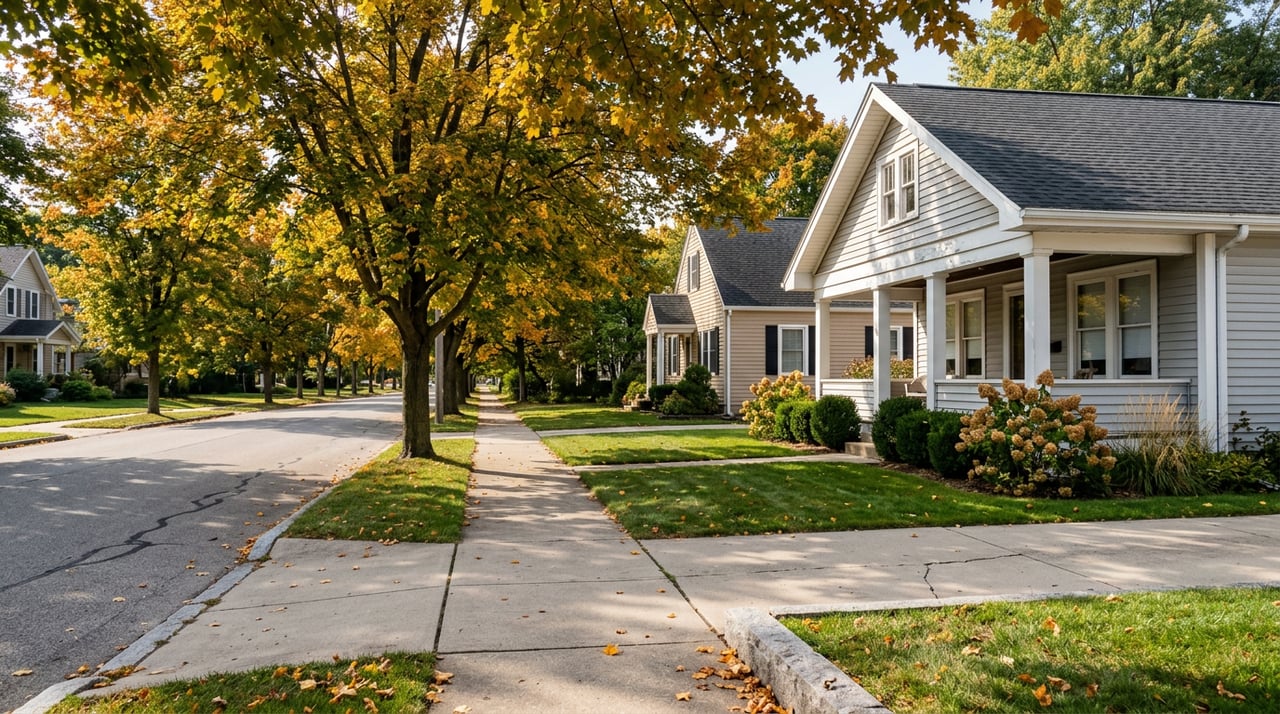
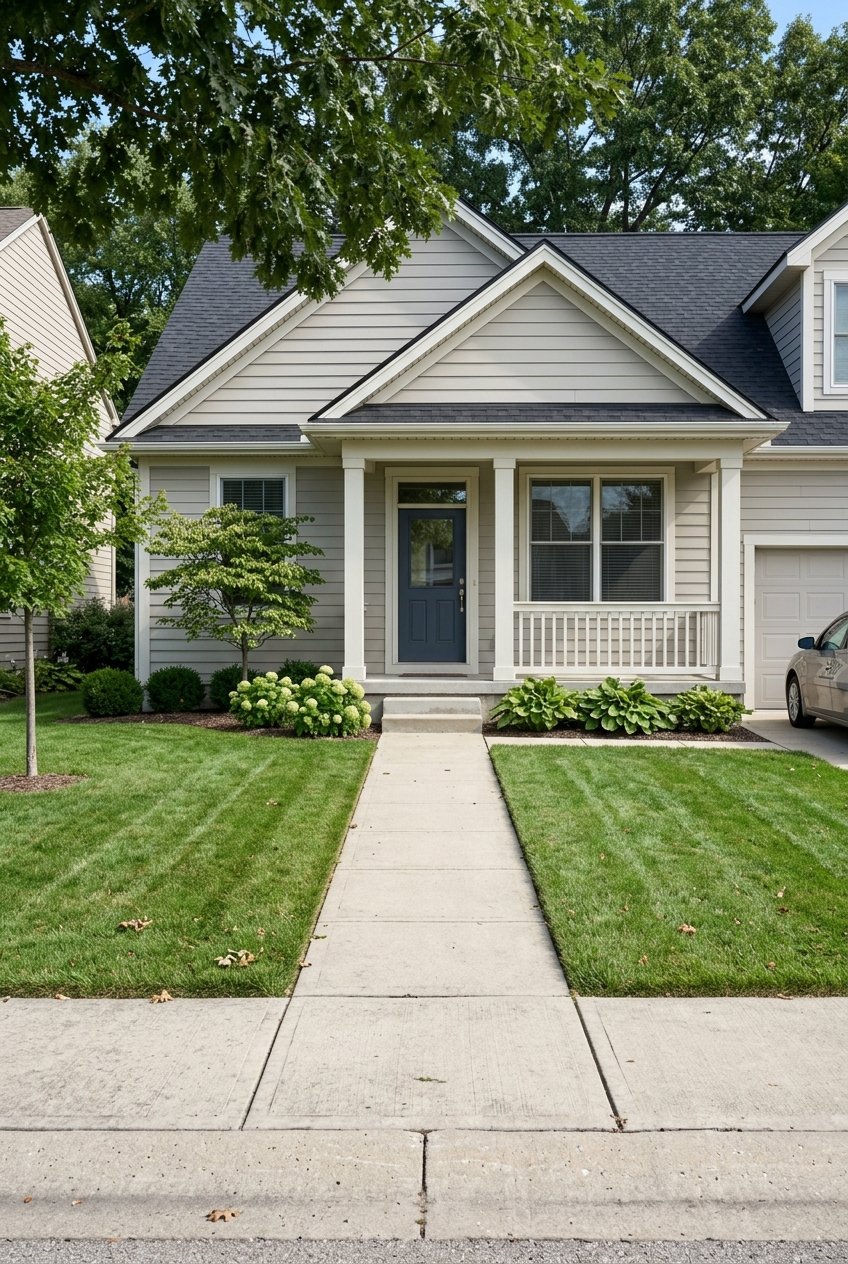
Quiet living in West Lafayette is often less about being far away and more about how your immediate surroundings feel. In practical terms, buyers are often drawn to residential side streets, loops, and cul-de-sacs that sit off major corridors.
The city’s snow-removal policy supports that idea because it separates cul-de-sac streets from uninterrupted streets and identifies major snow routes like State Street and Mitch Daniels Boulevard, Salisbury Street, Cumberland Avenue, Grant Street, Lindberg Road, and Stadium Avenue west of Grant Street. That street pattern helps show how you can live near key routes without living directly on them.
Daily Access Still Matters
A quiet location works best when it does not leave you disconnected. One of West Lafayette’s strengths is that many residential areas still have good access to major roads, bike routes, trails, and public transportation.
The city says it is developing a bicycle comfort map to help people understand which routes work better for experienced cyclists and which are more accessible for children. CityBus also serves West Lafayette, Lafayette, and Purdue, which adds another practical option for getting around.
For many buyers, that mix is the sweet spot. You can come home to a more relaxed setting without giving up convenience.
Parks Make Quiet Living Better
In West Lafayette, parks and trails do a lot of the lifestyle heavy lifting. The city’s parks system spans more than 464 acres and includes major destinations like Cason Family Park, Celery Bog Nature Area, Cumberland Park, Happy Hollow Park, Tapawingo Park, and the John R. Dennis Wellness Center.
That matters because quiet neighborhood living is not just about your house. It is also about what your day feels like once you step outside.
If your routine includes a walk after dinner, a weekend park stop, or an easy place to unwind, West Lafayette gives you a strong set of options. That can make residential areas beyond campus feel especially livable.
Trails Connect Neighborhoods
One of the biggest quality-of-life advantages in West Lafayette is the trail network. The city says it has 27 miles of paved trails and more than 10 miles of marked bicycle lanes, with the Cattail, Northwest Greenway, and Wabash Heritage Trails designated as National Recreation Trails.
The city also says the trail system was designed to connect neighborhoods, parks, schools, and businesses. For you, that means a quieter home base does not have to feel isolated.
You may be able to build daily routines around walking, biking, or simply getting outside more often. That is a major draw for buyers who want a calmer pace without losing connection to the rest of the city.
Outdoor Spots Worth Knowing
Some places stand out because they shape how nearby living feels. Happy Hollow Park covers about 81 acres and includes the Trolley Line Trail, footpaths, a dog park, and accessible playgrounds.
Celery Bog Nature Area offers 195 acres, with 4.3 miles of paved trails and 2.5 miles of natural paths. The city also notes that it has been recognized as one of the top five Indiana locations for observing migratory birds.
Wabash Heritage Trail Side Park adds a river-adjacent setting with a scenic overlook and pond. Cumberland Park covers 62 acres and hosts the seasonal West Lafayette Farmers Market, while Tapawingo Park offers 20 acres of riverfront green space and the Riverside Skating Center.
These places help explain why many buyers see West Lafayette as more than a college town. Even beyond campus, it offers a strong outdoor lifestyle that supports a quieter home rhythm.
Historic Areas Add Character
Some buyers want quiet streets, but they also care about architectural character and established surroundings. In West Lafayette, that part of the conversation often includes historic districts.
The city says New Chauncey is the only local historic district, and it identifies Hills and Dales and Happy Hollow Heights as National Register historic districts. Happy Hollow Heights is especially useful as an example because the city describes it as a planned residential section.
That kind of context can appeal to buyers who want a more established residential feel. At the same time, historic status can come with added review steps for some exterior changes, so it is smart to understand those details before you buy.
Everyday Amenities Support Calm Routines
Quiet neighborhood living works best when errands and recreation stay simple. West Lafayette offers several practical amenities that fit that lifestyle.
The John R. Dennis Wellness Center on Kalberer Road serves as a major hub for fitness, aquatics, and family amenities. The West Lafayette Farmers Market takes place at Cumberland Park on Wednesdays from May through October and includes more than 50 vendors.
That means parts of your weekly routine can happen in community-oriented spaces rather than the busier campus core. For many buyers, that supports the kind of day-to-day balance they are trying to create.
How To Think About Your Home Search
If you are searching for a quieter part of West Lafayette, it helps to focus on patterns rather than labels. Look at how close a home sits to major corridors, whether the street feels like a through route or a residential pocket, and how easily you can reach trails, parks, and daily amenities.
It also helps to compare the more rental-heavy, campus-influenced areas like Oakwood Village, Chauncy Village, and New Chauncey with more residential-feeling settings and established areas such as Happy Hollow Heights or Hills and Dales. The goal is not to chase a perfect map boundary. It is to find the right lifestyle fit for how you want to live.
Why Local Guidance Helps
For first-time buyers and relocators, West Lafayette can be tricky because the city changes character from one area to the next. A home that looks close to everything on a map may feel very different in person depending on the street pattern, nearby housing mix, and access to outdoor space.
That is where local, education-first guidance becomes valuable. When you understand how the campus core compares with the more residential edges of West Lafayette, you can search with more confidence and fewer surprises.
If you are weighing your options in West Lafayette and want help finding the kind of neighborhood that fits your pace, Ryan Dilley can help you compare locations, understand the market, and move forward with a clear plan.
FAQs
What parts of West Lafayette feel quieter than the Purdue area?
- In general, West Lafayette feels quieter once you move beyond the most campus-influenced areas, especially compared with Oakwood Village, Chauncy Village, and New Chauncey.
Are there quiet neighborhoods in West Lafayette that still feel convenient?
- Yes. West Lafayette’s trail system, CityBus service, and major road connections make it possible to live in a more residential setting while staying connected to Purdue, Lafayette, and everyday amenities.
What makes a West Lafayette neighborhood feel more residential?
- Buyers often notice more residential character on side streets, loops, and cul-de-sacs located off major corridors like State Street, Salisbury Street, Cumberland Avenue, Grant Street, Lindberg Road, and Stadium Avenue.
Do parks and trails matter when choosing a quiet home in West Lafayette?
- Yes. West Lafayette has more than 464 acres of parks, 27 miles of paved trails, and more than 10 miles of marked bicycle lanes, which can make daily life feel calmer and more outdoors-oriented.
Are there established neighborhoods in West Lafayette with more character?
- Yes. The city identifies Hills and Dales and Happy Hollow Heights as National Register historic districts, and it describes Happy Hollow Heights as a planned residential section.
What should buyers compare when looking for quiet neighborhood living in West Lafayette?
- It helps to compare proximity to campus, housing mix, street layout, access to parks and trails, and how easily you can handle daily routines like commuting, recreation, and errands.