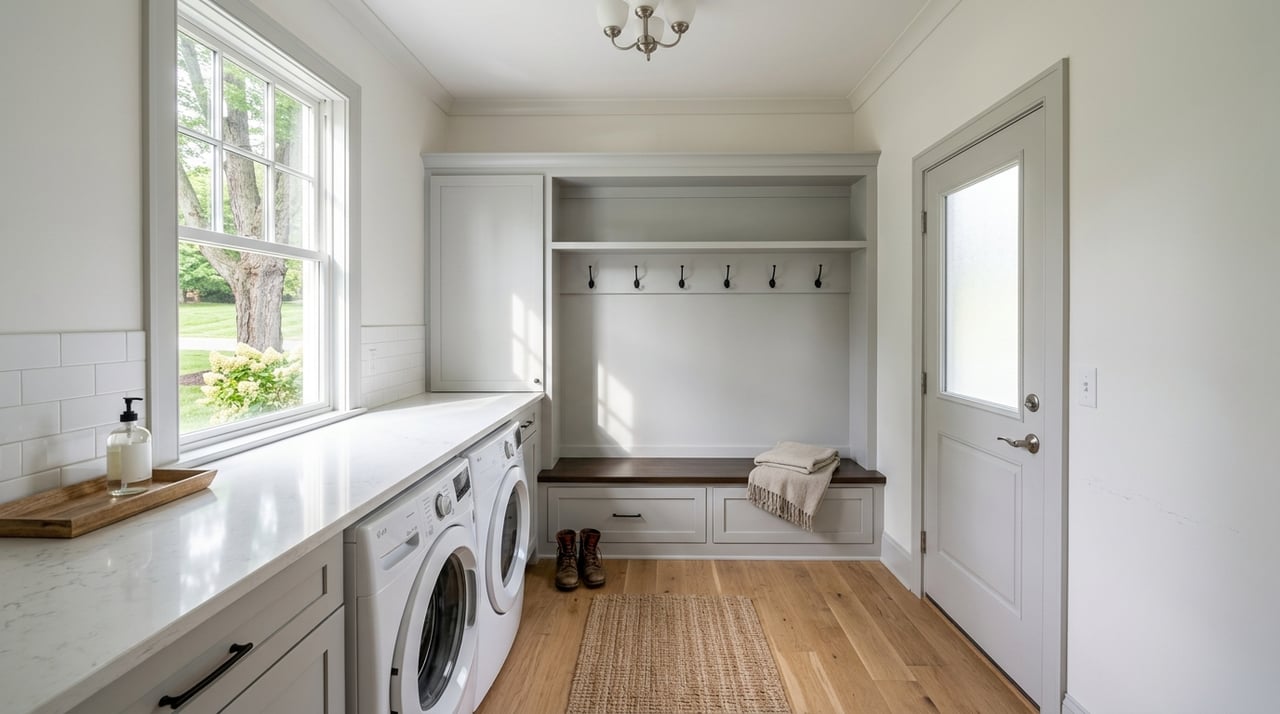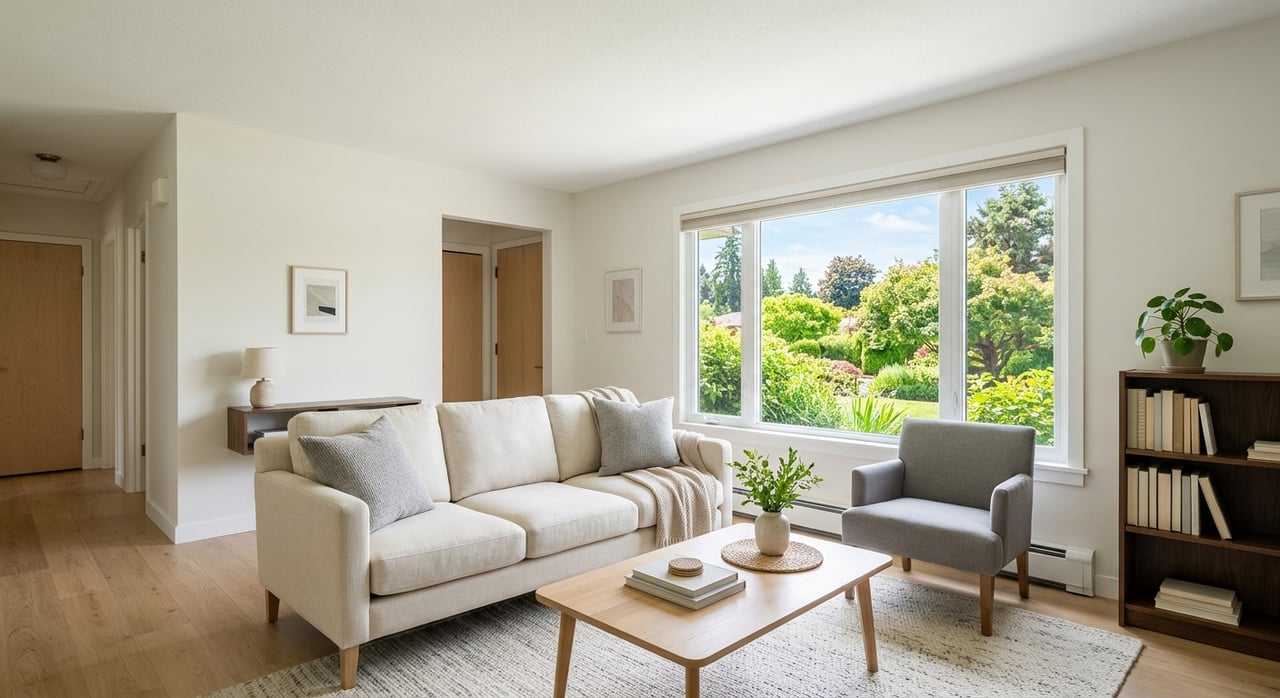
If you want to sell with confidence in Lafayette, preparation matters more than ever. Even in an active local market, buyers notice the small things, and the homes that feel clean, cared for, and well-priced often create better momentum from day one. This guide will help you focus on the prep work that can support a smoother sale, fewer surprises, and stronger negotiating position. Let’s dive in.
Why prep matters in Lafayette
Lafayette remains an active market, but not every home performs the same way. Recent local data shows a median sale price of $233,879 in Lafayette with a median of 26 days on market, while Tippecanoe County shows a median sale price of $308,139 and 19 median days on market.
The market is also competitive. Redfin reports near-list pricing metrics in the area, and in Tippecanoe County, 29.8% of homes sold above list price. That does not mean every seller can skip preparation. In fact, strong prep can help your home stand out, support pricing, and reduce the chances of early price cuts.
Start with repairs and disclosure readiness
One of the smartest ways to prepare your home is to think like a buyer before your listing goes live. Buyers look for signs of deferred maintenance, and Indiana sellers have specific disclosure responsibilities that make early prep especially important.
In Indiana, most sellers of one-to-four-unit residential property must complete the Seller's Residential Real Estate Sales Disclosure form before an offer is accepted. The form covers major condition items such as the roof, electrical, heating and cooling, plumbing and water systems, foundation issues, hazards, encroachments, zoning, flood plain status, underground storage tanks, HOA matters, airport proximity, and access.
The seller must also disclose any material change in the home's physical condition before settlement. That means it helps to get organized early rather than scramble once a buyer is interested.
What to review before listing
Walk through your home with fresh eyes and make notes about visible issues. Focus on items that could affect buyer confidence or show up during an inspection.
A practical starting list includes:
- Roof leaks or missing shingles
- Plumbing drips or signs of water damage
- HVAC performance issues
- Electrical problems such as non-working outlets or exposed concerns
- Foundation cracks or sticking doors and windows
- Grading or drainage issues around the home
- Broken fixtures, damaged flooring, or worn finishes that stand out
Decide what to repair and what to disclose
Not every issue needs a major project before listing. The key is to identify obvious concerns early, decide what is worth repairing, and be ready to disclose what remains.
If you complete work before listing, keep receipts and service records. That simple step can make it easier to answer buyer questions and show that you handled repairs responsibly.
Special rules for older homes
If your home was built before 1978, there are additional lead-based paint requirements. Sellers must disclose known lead information before contract, provide any available records, include the required lead warning statement, and allow a 10-day inspection or risk-assessment window.
If renovation, repair, or painting work will disturb lead-based paint in a pre-1978 home, paid work should be handled by certified firms using lead-safe practices. If your home falls into this category, it is wise to plan ahead so the listing timeline does not get delayed.
Focus on the rooms buyers notice most
When sellers think about preparation, they often jump straight to photos. Photos matter, but they work best when the home itself is ready first.
According to the 2025 Profile of Home Staging, 83% of buyers' agents said staging makes it easier for buyers to visualize a home as a future residence. The same research found that buyers' agents rated photos as highly important, followed by physical staging, videos, and virtual tours.
That matters because buyers often form their first opinion online. If your home looks bright, clean, and easy to understand in photos, you give yourself a better chance of earning showings quickly.
Prioritize these spaces first
Staging does not mean turning your house into a showroom. It means helping buyers see space, function, and flow.
The most important rooms to stage were reported as:
- Living room
- Primary bedroom
- Kitchen
Those are also some of the spaces that shape a buyer's overall impression. If your time or budget is limited, start there.
Use a simple prep order
You do not need to overhaul every inch of your home at once. A steady, logical prep plan usually works best.
Based on staging research and common seller recommendations, this is a smart order to follow:
- Curb appeal: Tidy the yard, clean the porch, trim landscaping, and make the entry welcoming.
- Declutter: Remove excess furniture, personal items, and anything that makes rooms feel crowded.
- Whole-home cleaning: Deep clean floors, baseboards, windows, kitchens, and baths.
- Main living spaces: Focus on the living room, primary bedroom, kitchen, and dining areas.
- Final visuals: Prepare for photography only after the home is clean, simplified, and polished.
NAR's research found that the most common seller improvements recommended by agents were decluttering, whole-home cleaning, and curb appeal work. That is a helpful reminder that many of the most effective steps are practical, not flashy.
Clean, declutter, and simplify
If you are unsure where to begin, start by removing distractions. Clean and uncluttered homes tend to feel larger, brighter, and easier for buyers to picture as their own.
Focus on everyday visual noise first. Clear counters, reduce oversized furniture, organize open shelves, and remove personal photos or highly specific decor. In bathrooms and kitchens, less is usually more.
This step can also make your photography stronger. Since photos are one of the most important marketing tools, a visually calm home gives your listing a better first impression.
Think about timing before you list
Many sellers underestimate how long preparation takes. Zillow's seller research says the typical seller thinks seriously about selling for three to less than four months before listing.
That timeline makes sense in Lafayette. Even if homes can move quickly once they hit the market, prep still takes time. Repairs, cleaning, staging decisions, photography scheduling, and pricing strategy are easier when you are not rushing.
Zillow also notes that homes nationally are currently going pending in about 15 days once they go live. While that is a national figure and timing varies by city and neighborhood, it reinforces an important point: your launch matters. If your home is going to get attention quickly, you want it ready before the first buyer walks through the door.
Plan the launch, not just the list date
A strong sale often starts before your listing is active. That means thinking through:
- When repairs should be completed
- When the home will be cleaned
- When staging adjustments should happen
- When professional photos will be taken
- When your pricing strategy will be finalized
A patient, well-timed launch can help you avoid the stress of going live before the home is truly ready.
Price and presentation work together
Pricing is never separate from preparation. In a market where homes are often selling close to list price, the condition and presentation of your home can affect how buyers respond right away.
If buyers see a well-prepared home, they may feel more comfortable acting quickly. If they see unfinished projects, clutter, or unclear maintenance, they may hesitate, negotiate harder, or wait for a price reduction.
This is one reason preparation can improve confidence on both sides of the transaction. You are not just making the home look better. You are helping reduce uncertainty.
A confident sale starts with a clear plan
Selling your Lafayette home does not require perfection, but it does require a smart plan. If you take time to address obvious issues, understand your disclosure duties, improve presentation, and launch with intention, you put yourself in a much stronger position.
That is especially true in a market where buyers move fast and compare homes closely. The right preparation can help your home feel trustworthy, competitive, and ready from the start.
If you want practical, local guidance on pricing, prep, and next steps, Ryan Dilley offers an education-first approach built to help you sell with clarity and confidence.
FAQs
What should Lafayette sellers fix before listing a home?
- Start with visible issues that could affect buyer confidence or appear on Indiana's disclosure form, such as roof concerns, plumbing leaks, HVAC problems, electrical issues, drainage concerns, or noticeable damage.
What does Indiana require sellers to disclose when selling a home?
- Most Indiana sellers of one-to-four-unit residential property must complete the Seller's Residential Real Estate Sales Disclosure form before an offer is accepted and disclose any material change in the property's physical condition before settlement.
Does staging really help when selling a home in Lafayette?
- Yes. The 2025 Profile of Home Staging found that 83% of buyers' agents said staging helps buyers visualize a home as a future residence, and some agents also reported improved offer value and slightly reduced time on market.
Which rooms matter most when preparing a home for sale?
- The top rooms to prioritize are the living room, primary bedroom, and kitchen, since staging research showed those spaces have the strongest impact on buyer perception.
How far ahead should you prepare before listing a Lafayette home?
- Seller research suggests many homeowners begin seriously planning their move three to less than four months before listing, which can give you time for repairs, cleaning, staging, photography, and pricing decisions.
Are there extra rules for selling a pre-1978 home in Indiana?
- Yes. If the home was built before 1978, sellers must follow lead-based paint disclosure rules, provide any available records, include the required warning language, and allow a 10-day inspection or risk-assessment window before contract obligations move forward.