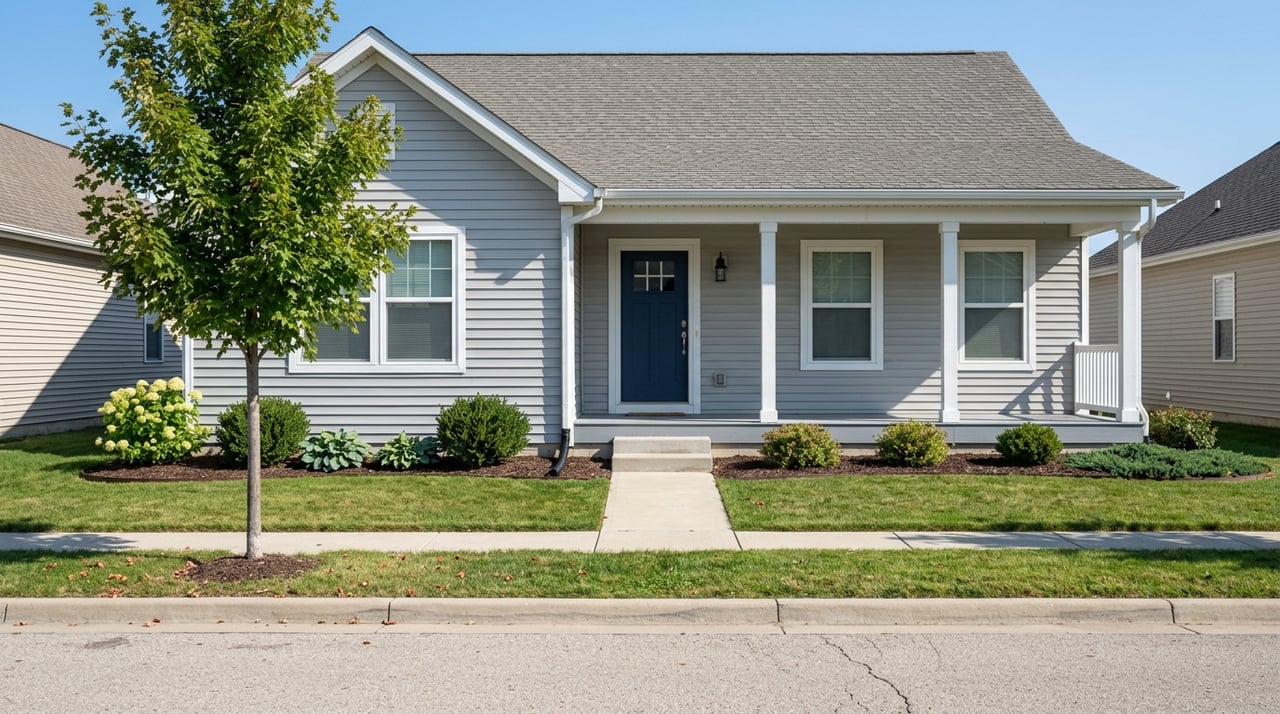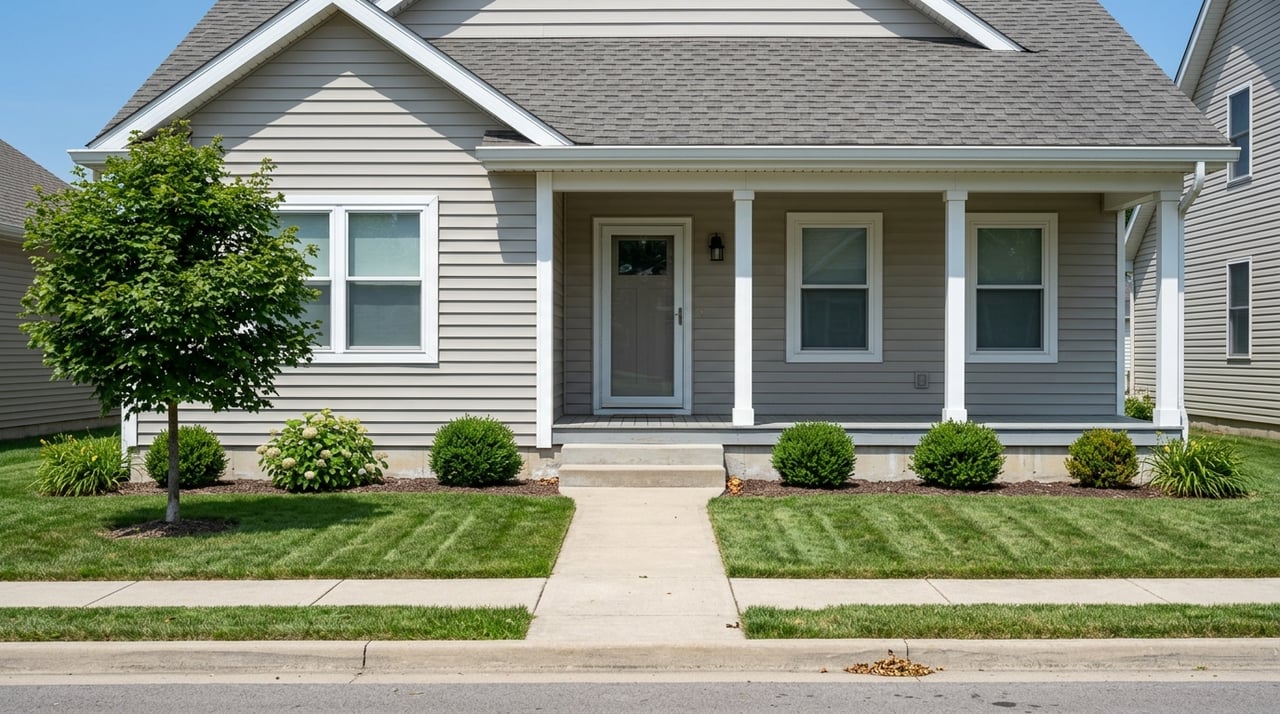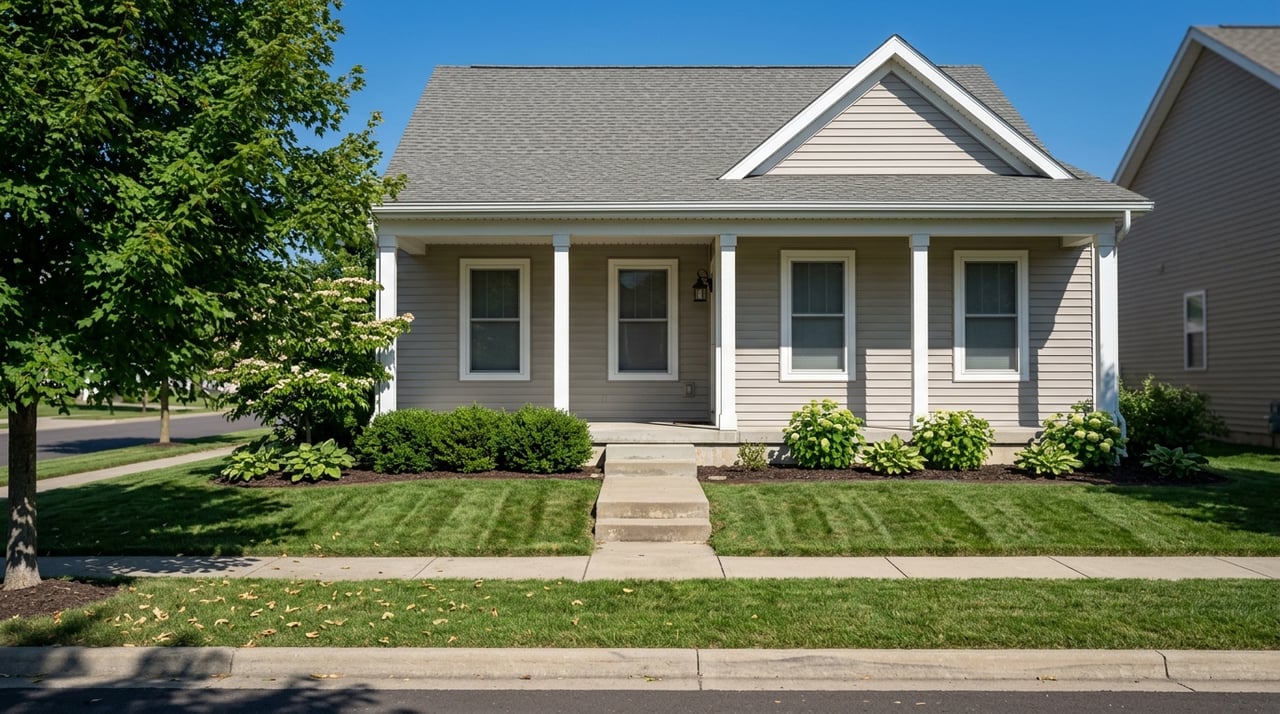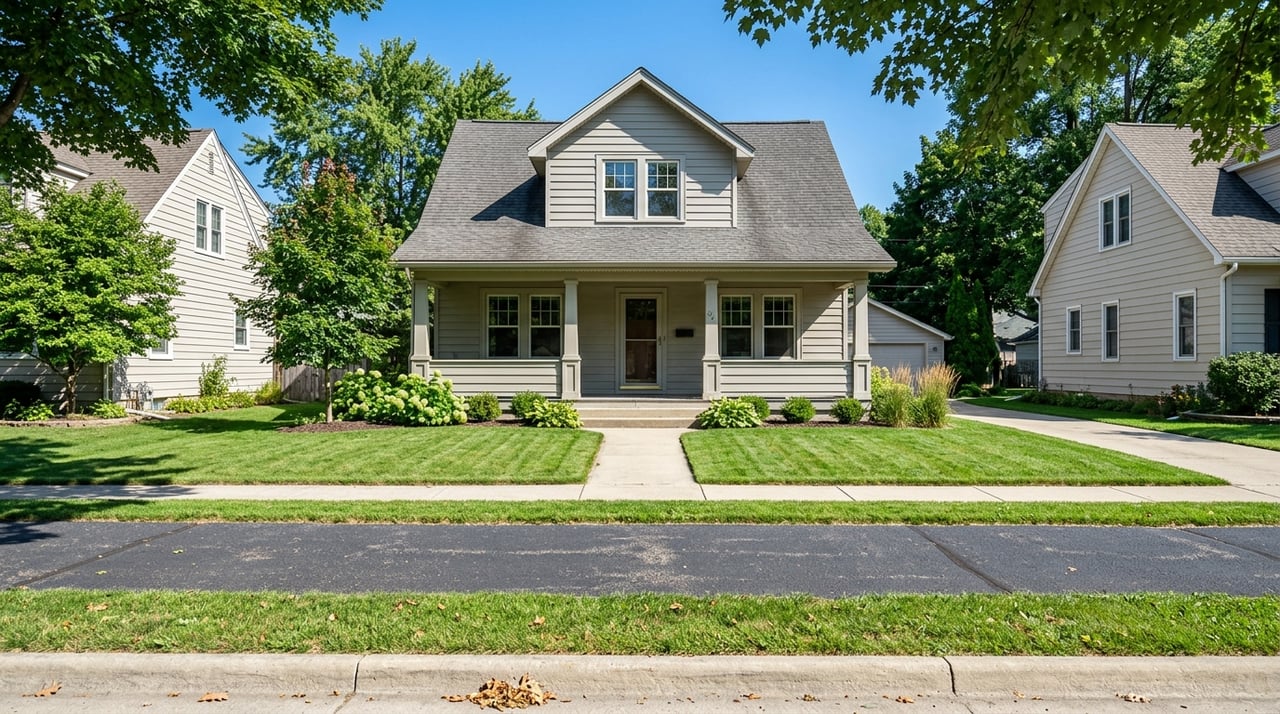
Purdue keeps growing, and so does interest in student and faculty rentals near campus. If you are weighing an investment in West Lafayette, you are not alone. Demand is historically strong, but new supply has shifted the balance in some segments. In this guide, you will see what drives demand, what to buy, realistic rent ranges, key risks, and a step-by-step plan to underwrite your next deal with confidence. Let’s dive in.
Why West Lafayette draws steady renters
Purdue’s scale supports demand
Purdue’s system headcount reached 58,009 in Fall 2024, reflecting record demand for undergraduate and graduate programs. That scale helps explain why the market around campus has been resilient for years. You should still track how enrollment flows into local housing from year to year. Purdue’s latest enrollment update is a solid benchmark for demand.
On-campus beds vs. off-campus demand
University housing capacity shapes how many students look off campus. Local reporting that summarizes the Area Plan Commission’s (APC) annual work shows roughly 16,151 on-campus beds plus about 1,845 off-campus master-leased beds. The remainder turns to the private market across houses, small complexes, and purpose-built student housing. Track these counts because small changes can move absorption each leasing season. See the APC summary and local analysis in this saturation brief.
Vacancy is rising in some segments
The West Lafayette area vacancy measured about 1.54% in 2025, the highest since 2017 yet still very tight. The rise is not uniform. Newer, high-amenity projects have seen softer absorption while more affordable units remain competitive. The APC also noted a bump in multifamily building permits and several large projects delivering in 2025, which helps explain the variation by property type. Review the latest findings in the APC coverage on saturation and pipeline.
What to buy near Purdue
Common property types and tradeoffs
The Tippecanoe County assessor’s campus housing study groups near-campus rentals into tiers. Understanding these can help you match strategy to product.
- Tier 4: Older single-family houses converted to multi-unit student rentals. Highest turnover, lower rents per bed on average, greater near-term renovation needs.
- Tier 3: Dated garden-style or small complexes from the 1980s–1990s. Functional but often due for updates.
- Tier 2: Mid-age complexes from the 1990s–2010s with more modern layouts and stable demand.
- Tier 1/1B: Newer, amenity-rich purpose-built student housing. Higher asking rents and more amenities, but often stiffer competition when many similar units deliver.
For context on values and past rent trends, the county’s study reported average sales near $189,000 per unit over 2015–2022, with 2022 sales averaging about $224,000 per unit, alongside strong asking-rent growth in that period. Explore the assessor’s campus housing materials for methodology and examples at the Tippecanoe campus housing project page.
New deliveries to watch
A wave of projects opened in 2025, including 3rd & West, 4 Up, Ever, and Weida on Waldron. Where many high-end units open at once, that segment can see higher vacancy and pressure on asking rents. Keep an eye on lease-up performance and concessions, especially if you are buying or competing with amenity-rich buildings. You can review recent completions in the APC saturation report coverage.
What rents to model in 2026
Rents vary by unit type and data source. Listing-based indexes and signed-lease trackers do not always agree, so use a range and confirm with current comps.
- Listing indexes for West Lafayette show averages across roughly $1,100 to $1,700+, depending on bedroom count and whether it is an apartment or a whole house.
- Some recent snapshots place average asking rents around the mid-$1,300s to high-$1,600s, again varying by methodology and timing.
- For a conservative baseline, HUD’s Small Area Fair Market Rents show about $1,060 for a 1-bedroom and about $2,040 for a 4-bedroom in FY2026. Review the latest benchmarks on the West Lafayette rent data summary.
How to use this:
- For student houses, model per-bedroom and per-unit scenarios so you can compare strategies.
- For faculty-focused units, concentrate on full-unit pricing, parking, and commute convenience.
- Always verify a fresh set of comps right before acquisition. In a market with new deliveries, last quarter’s number may be stale.
Underwriting that fits this market
Revenue assumptions
- Use a small basket of comps across different sources. Ask a local manager for signed-lease data if possible, and compare it to asking-rent indexes.
- Build both a baseline and a stress case for vacancy and concessions. New supply can create brief windows of competition.
Expense and reserve planning
- Management fees: Typical full-service property management often runs about 8–12% of collected rent, plus leasing or placement fees. Student turnover can increase per-turn and marketing costs, so get written quotes. See industry guidance here: property management Q&A.
- Vacancy and collections: The county’s modeling for campus housing applied about a 2.6% allowance because of historically high occupancy. That is a baseline. Stress-test at higher vacancy or loss-to-lease levels, such as 5–10%, especially if you are in a segment facing new competition. The rationale appears in the assessor’s campus study.
- Turn and make-ready: Expect frequent cleaning, repairs, and occasional partial rehab for student rentals. Budget a per-turn line item and a separate annual capex reserve. APC student surveys have flagged condition and renovation needs as common pain points, which is another reason to keep healthy reserves. Review those findings in the saturation summary.
Capex and condition checks
Older converted houses typically need more near-term capex than newer PBSA or mid-age complexes. Plan for system updates, safety items, and durable finishes that survive frequent turnover. A pre-acquisition inspection and a realistic 3-year repair plan can prevent negative surprises.
Operations that make or break returns
Leasing calendar and turnover
The academic calendar drives everything. Heavy leasing activity hits late spring and summer, with major turn work concentrated in July and August. APC student surveys indicate that many students move multiple times during their college years, which raises turnover frequency. Structure your marketing, renewal offers, and maintenance scheduling around this cycle. The APC’s observations are summarized in this market update.
Registration, inspections, and local data
West Lafayette maintains a rental inspection database. As of December 2025, the program listed about 11,121 units and roughly 23,394 bedrooms. Those records help confirm neighborhood-level rental concentrations and can influence your compliance workload. See the APC summary and context in the saturation report. Before you close, confirm the city’s current registration or inspection steps and build their timelines into your plan.
Security deposits and move-outs
Indiana law requires that you return the security deposit or provide an itemized list of deductions no more than 45 days after termination and possession. Missing that timeline can expose you to liability for the deposit and fees. Include this requirement in your turnover checklist and mailing procedures. Review the statute text in Indiana Code 32-31-3.
Risks and how to mitigate them
- Upside risk: Strong enrollment has historically supported steady demand. Keep an eye on any changes in Purdue’s housing capacity or master-lease programs, since these can shift off-campus absorption. Purdue’s growth context is outlined in the university’s enrollment report.
- Downside risk: A surge of new permits and several large completions in 2025 created pockets of higher vacancy and rent pressure at the top end. If you own or plan to buy in that segment, underwrite with conservative lease-up assumptions and prepare for concessions. The APC flagged this dynamic in its latest saturation coverage.
- Operational risk: High turnover, damages, and compliance misses are the most common threats. Mitigate with strong screening, clear lease language, detailed move-in documentation, routine inspections, and a disciplined make-ready playbook.
Step-by-step due diligence in Tippecanoe
Pull the latest APC rental summary and the county campus housing study. Confirm vacancy, pipeline, and how different segments are performing. Start with the saturation brief and the assessor’s campus housing project.
Verify current comps by bedroom count and product type. Use multiple sources and, when possible, local manager data for signed leases. For a conservative baseline, reference HUD’s benchmarks on the West Lafayette rent data page.
Check parcel-level records, assessments, and tax bills on county sites. The Tippecanoe Assessor portal is your starting point.
Collect two or more property management proposals. Ask for monthly management fee, leasing or placement fees, target make-ready days, per-turn pricing, and vendor markups. For ballpark expectations, see industry norms in this property management Q&A.
Build three pro formas: baseline using the assessor’s conservative vacancy assumption, a stress test with higher vacancy and per-turn capex, and an upside case that reflects stronger renewals. Document your assumptions.
Confirm legal and compliance items: the 45-day security-deposit rule and any local rental registration or inspection requirements. You can read the statute in Indiana Code 32-31-3.
How I can help you invest with confidence
You deserve clear, local guidance before you write an offer. As a Lafayette-based REALTOR with construction and accounting experience, I help you pressure-test rent assumptions, spot condition risks, and map out a practical make-ready plan that fits Purdue’s leasing calendar. Whether you want a low-maintenance condo for faculty or a student house with value-add potential, I will walk you through due diligence, pricing, and a management plan that matches your goals.
Ready to take the next step or want to review a live deal? Connect with Ryan Dilley to schedule a consultation.
FAQs
What makes West Lafayette strong for student rentals?
- Purdue’s scale is a major driver, and the market has been historically tight. While vacancy ticked up in 2025 due to new deliveries, more affordable stock remains competitive. Track enrollment and new supply each season.
How much can a 4-bedroom near Purdue rent for?
- Rents vary by location and property type. Listing indexes show a wide range, and HUD’s FY2026 baseline is about $2,040 for a 4-bedroom. Verify current comps before you buy and model per-bedroom and per-unit scenarios.
When should I list or renew a student-focused unit?
- Peak leasing runs late spring into summer, and most turn work falls in July and August. Start renewals early and align marketing with the academic calendar to avoid vacancy.
What is the 45-day rule for security deposits in Indiana?
- After lease termination and possession, you must return the deposit or send an itemized list of deductions within 45 days. Missing the deadline can trigger liability for the deposit and fees.
How do new luxury projects affect returns?
- When many amenity-rich buildings open at once, that segment can see higher vacancy and concessions. If you own or plan to buy in that tier, underwrite conservatively and prepare for lease-up pressure.